
Is Rivian Stock a Good Buy?
Is Rivian stock a good buy in 2025? We explore the risks, potential, and execution challenges shaping Rivian's future in the evolving EV landscape.
In this article
Is Rivian Stock a Good Buy? Navigating the Crossroads of Innovation and Execution
Rivian stands at the intersection of ambitious innovation and critical execution, balancing immense potential with substantial market skepticism.
Is Rivian Stock a Good Buy?
Rivian Automotive (NASDAQ: RIVN) sits at a pivotal crossroads in 2025. Once celebrated as the rising star of American EV innovation, Rivian now navigates an increasingly complex landscape.

This analysis explores the balance between Rivian’s distinctive strengths, critical challenges, and the nuanced opportunities that define its strategic future.
Strategic Clarity Amidst Market Complexity
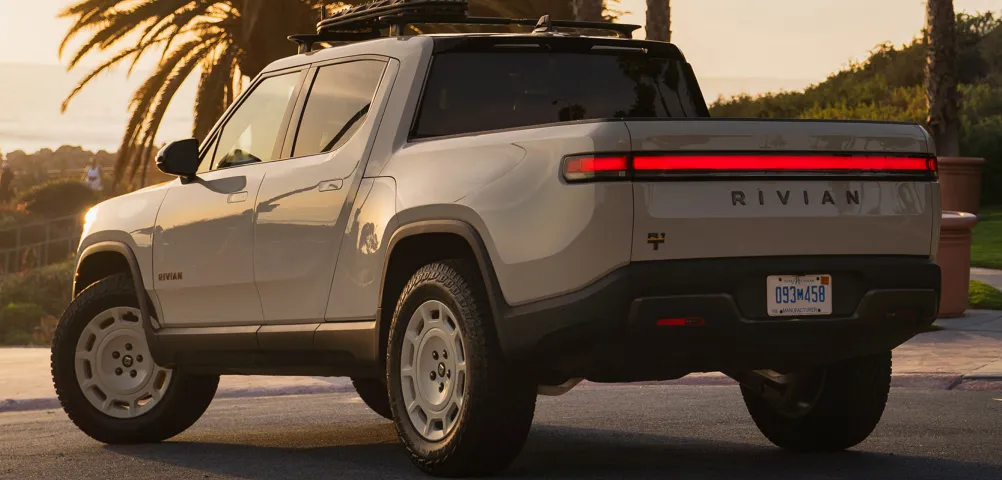
Founded in 2009 by RJ Scaringe, Rivian established itself by crafting rugged electric vehicles that appeal to premium adventure enthusiasts. Its flagship vehicles, the R1T pickup and R1S SUV, distinguish Rivian in a crowded market. These products resonate deeply with a niche yet growing customer base, building a compelling foundation for brand loyalty.
Yet, the EV market has evolved rapidly, becoming highly saturated with legacy automakers and agile new entrants. Rivian faces the considerable challenge of defending its unique value proposition while scaling efficiently to ensure long-term financial sustainability.
Financial Snapshot and the Reality Check
As of May 2025, Rivian’s Q1 2025 financial results show both critical progress and persistent operational pressure:
- Total revenue: $1.240 billion, compared to $1.204 billion in Q1 2024
- Automotive revenue: $922 million
- Software and services revenue: $318 million
- Gross profit: $206 million, second consecutive quarter of positive gross profit
- Gross margin: 17%, up from negative 44% in Q1 2024
- Net loss: $541 million, compared to $1.446 billion in the same period last year
- Adjusted EBITDA: $(329) million
- Capital expenditures: $383 million
- Free cash flow: $(526) million
- Cash, cash equivalents, and restricted cash: $7.178 billion as of March 31, 2025
This quarter confirms Rivian’s gross margin turnaround. Moving from deeply negative margins to 17% year-over-year signals meaningful operating leverage and improved cost control. Despite this progress, Rivian continues to post significant net losses and remains dependent on cash reserves as it scales manufacturing and invests in next-generation platforms.
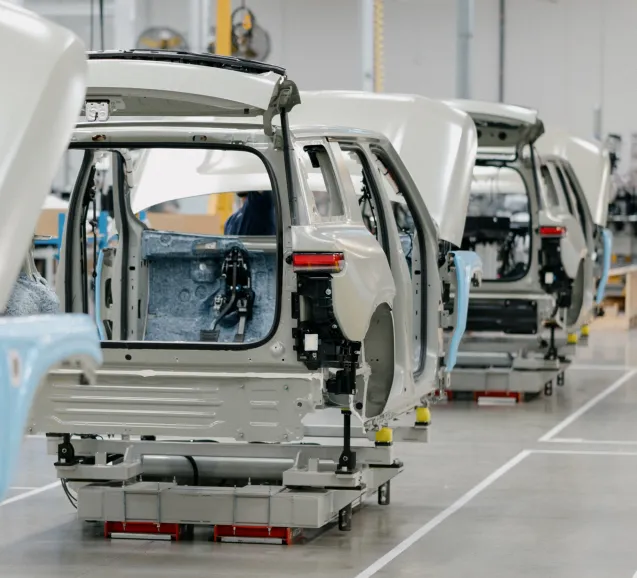
Management reaffirmed full-year production guidance of 57,000 units and reiterated its target to achieve positive gross profit for the full fiscal year.
Manufacturing Execution: The Keystone Challenge
Production scalability remains Rivian’s primary execution challenge. The company delivered 8,640 vehicles in Q1 2025, a decline of 36% year-over-year, attributed primarily to inflation-driven economic softness, heightened interest rates, and persistent supply-chain disruptions intensified by recent tariffs.
The strategic pause at its $5 billion Georgia factory underscores Rivian’s cautious approach to scaling production. While initially perceived negatively, this pause reflects prudent financial management and a strategic pivot to optimize existing Illinois facilities.
Recent federal approval for a conditional $6.6 billion loan positions Rivian to resume and potentially accelerate Georgia’s factory development by 2026, a critical step toward long-term capacity expansion.
Commercial Vehicle Expansion: Beyond Amazon
Rivian’s strategic partnership with Amazon has been a cornerstone of its early success. Having delivered over 20,000 Electric Delivery Vans (EDVs), Rivian validated its manufacturing capabilities.
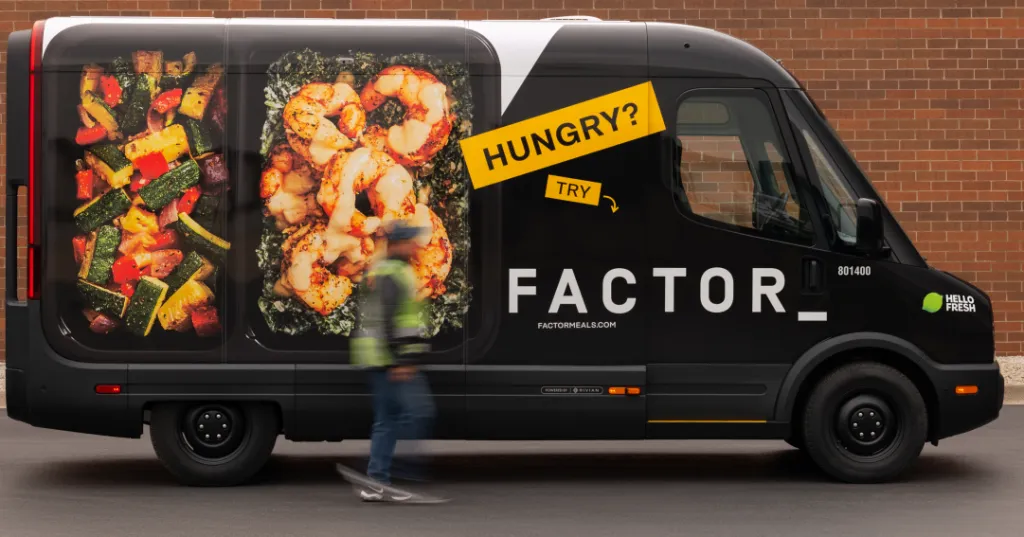
However, the end of Amazon’s exclusivity in late 2023 opened critical doors for Rivian to diversify its commercial customer base, demonstrated by its recent HelloFresh partnership. This diversification reduces Rivian’s dependency on a single client and positions the company to benefit significantly from expanding corporate demand for sustainable commercial transport solutions.
Navigating Political and Regulatory Volatility
The political environment, characterized by renewed tariffs and trade tensions under the Trump administration, presents challenges. Rivian has proactively localized parts of its supply chain to mitigate these impacts, yet policy volatility remains a strategic concern.
Potential reductions or eliminations of EV incentives pose further risks, demanding continuous agility from Rivian’s leadership. Conversely, Rivian benefits from potential new incentives favoring domestic manufacturing, aligning well with its U.S.-based production strategy, providing an offsetting tailwind.
Autonomous Vehicle Disruption: Threat or Opportunity?
The emergence of autonomous vehicles, exemplified by Amazon’s Zoox, Tesla, and Waymo, highlights a potential long-term disruption. Rivian, lacking internal autonomous technology, faces legitimate concerns about relevance as the industry evolves.

However, the distinct market segment targeted by Rivian’s adventure-focused offerings somewhat insulates it from immediate threats posed by urban-centric autonomous solutions. Strategically, Rivian’s close ties with Amazon could provide future optionality for collaboration or licensing of autonomous technology developed by Zoox, transforming potential disruption into strategic opportunity.
Bear Thesis: Substantial Risks and Vulnerabilities
Despite Rivian’s brand strength and strategic partnerships, the company faces significant risks that bear-focused investors highlight:
- Limited Competitive Moat: Rivian’s primary competitive advantage relies heavily on aesthetic design and niche branding, elements easily replicated or challenged by legacy automakers and newer EV entrants.
- Production Inefficiencies: Persistent operational delays, high production costs, and scalability challenges have undermined investor confidence and could hinder growth.
- Autonomous Tech Gap: Rivian’s lack of internal autonomous driving technology poses substantial long-term risk, potentially limiting its relevance in an increasingly autonomy-focused future.
- Financial Sustainability Concerns: Continuous cash burn and reliance on external funding, including government loans and strategic partnerships, raise questions about the long-term viability of Rivian’s business model.
- Regulatory and Economic Risks: Ongoing uncertainties from trade policies, tariff impacts, and potential changes in EV incentives could significantly affect consumer demand and production costs.
The Contrarian Perspective: Why Rivian Could Win
Market skepticism typically undervalues companies navigating early-stage operational turbulence. From a contrarian standpoint, Rivian’s current challenges might mask significant underlying strategic strengths.
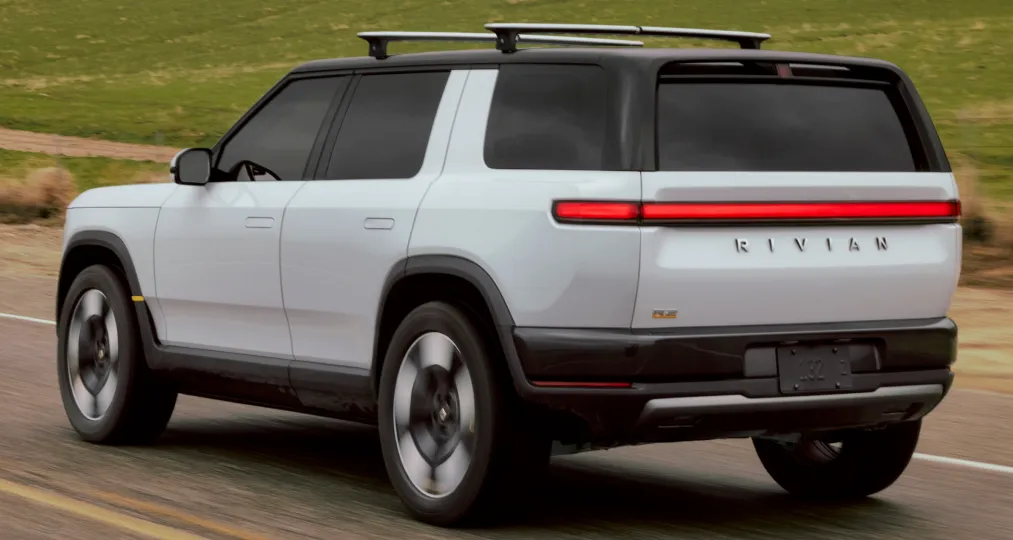
Rivian maintains a robust brand identity and premium product positioning with strong customer affinity, strategic financial backing from powerful entities like Amazon and Volkswagen, an established foothold in the rapidly expanding commercial EV segment, and structural tailwinds from global EV adoption and domestic manufacturing incentives.
Rivian’s upcoming affordable R2 platform presents a critical strategic pivot, targeting broader market segments to substantially boost volume and revenue.
What Rivian Needs to Execute On
While the story of Rivian is incredible, it’s been given a lot of execution leeway because of its massive long term potential. That leash continues to grow increasingly shorter. In order to see renewed investment and long term strategic partnerships, Rivian must:
- Prioritize production efficiency and supply-chain robustness
- Accelerate diversification of the commercial EV segment
- Evaluate strategic collaborations in autonomous vehicle technologies
- Maintain prudent financial discipline and strategic capital management
Rivian at a Crossroads
Rivian Automotive began its journey as a highly promising innovator in the American EV landscape, capturing market attention with compelling products and substantial early success. Today, Rivian stands at a critical juncture, balancing significant opportunities against substantial operational challenges.
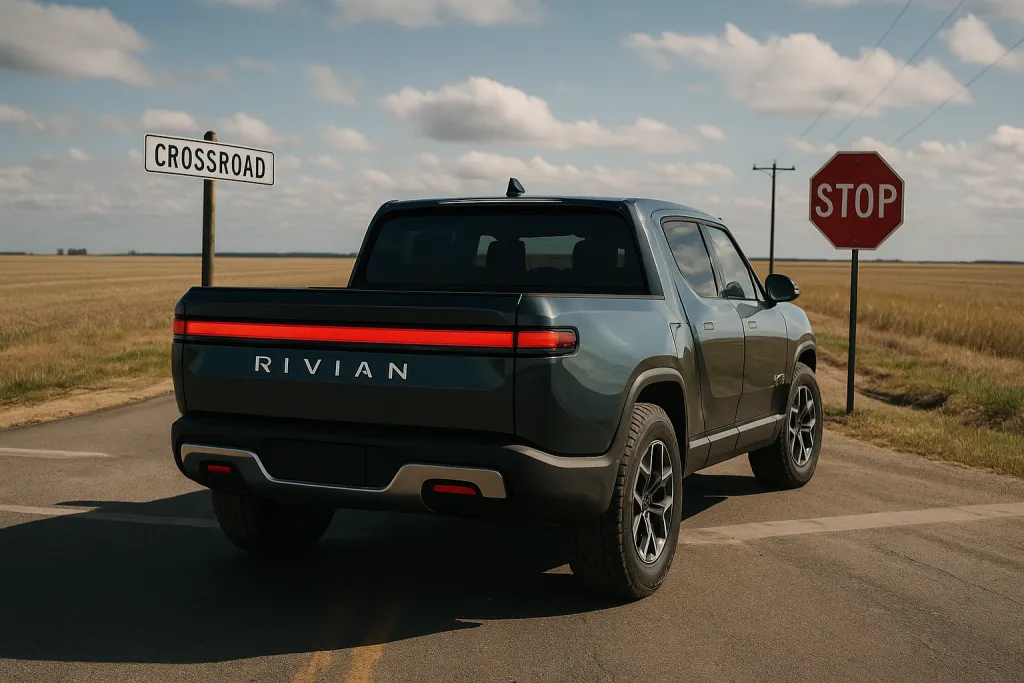
While the bear thesis emphasizes competitive vulnerabilities, execution risks, and financial sustainability concerns, the contrarian perspective highlights Rivian’s strategic advantages, strong brand identity, and substantial growth potential in both consumer and commercial segments.
Ultimately, Rivian’s path forward will hinge on disciplined execution, strategic adaptability, and resilient leadership. Investors navigating this nuanced narrative should closely monitor Rivian’s ability to translate its innovative potential into consistent operational excellence.
Is Rivian stock a good buy? It may be too early to tell for sure. However, if leadership continues to improve execution and EV demand recovers with theorized TAM, early believers could be awarded handsomely. What we do know for sure is that Rivian is the by far leader in the best looking EVs available on the market.

Celsius Stock Analysis: The Shelf Reset and the Second Growth Curve
Celsius stock analysis of the shelf reset, Alani growth, Pepsi economics and cash flow, with a 2030 model and a Premium valuation and entry-price framework.

Meta AI Spending: The Customer Is Already Here
Can Meta turn AI spending into shareholder returns? We model advertising, Muse, hardware, capital costs and cash flow through 2030, with a full valuation.

IREN Stock Dilution: Can the Build Reach Shareholders?
IREN stock analysis of AI growth, funding and dilution through 2030. Read our full valuation, 27 scenarios and price zones free. Excel model is Premium.
Northwise Portfolios
See how the research becomes real decisions
Reader discussion
Discuss the research
Create a Free account to join the discussion with a display name.
Create a Free Account
No comments yet. Start a thoughtful discussion.