
Should I Buy Tesla Stock

Should I Buy Tesla Stock? Tesla is bringing the world to an age of abundance through energy, artificial intelligence, and robotics.
In this article
Should I Buy Tesla Stock? Hint: It Is Not Just A Car Company
What valuation do you put on the company ushering in the age of abundance through energy, robotics, and advanced artificial intelligence?
Should You buy Tesla Stock?
Tesla is one of the most controversial, and consequential, companies in the world. At Northwise, we believe Tesla has a brighter future than almost any other company today.
This article will serve three key purposes:
- Highlight what we believe to be the core drivers behind Tesla’s competitive edge.
- Provide a concise overview of each of Tesla’s major business lines, offering a high-level “table of contents” for a deeper series of articles that will be hyperlinked throughout as we make the pieces.
- Examine Tesla’s latest financials (Q1 2025) and explore the central question: Should I buy Tesla stock?
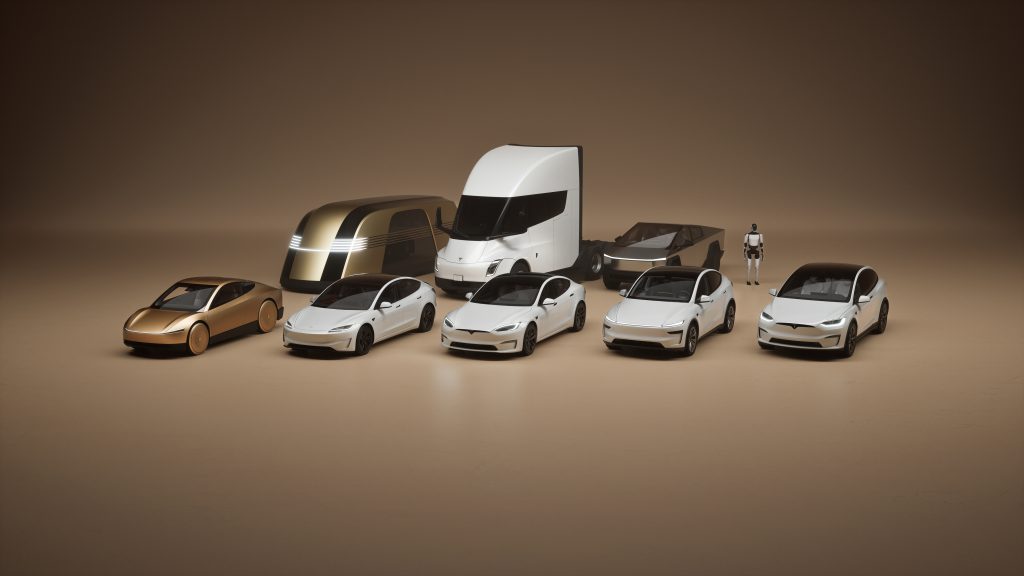
Let’s dive into the core drivers behind Tesla’s competitive edge:
Long-Term Vision & First Principles Thinking
Tesla’s strategy is defined by a rare combination of long-term thinking and first-principles thinking, a mindset that has consistently placed the company ahead of the curve, even when it meant going against conventional wisdom.
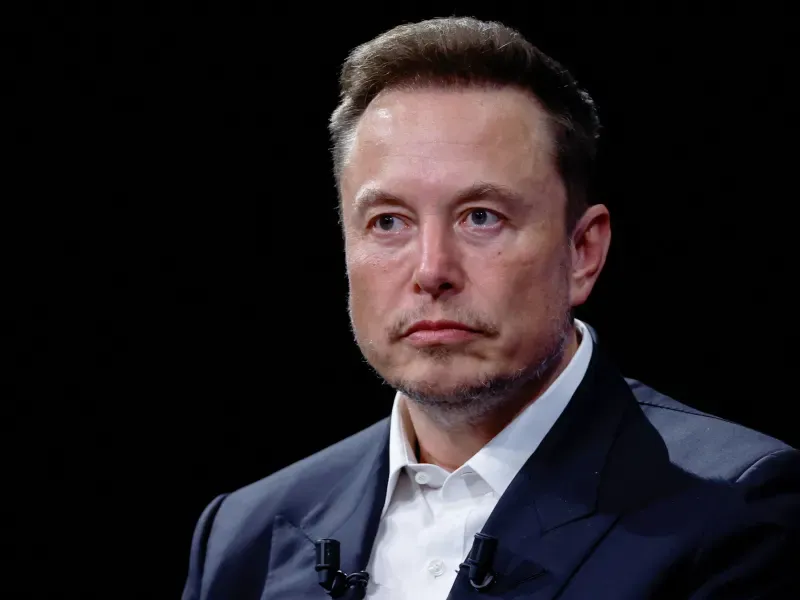
At the center of this philosophy is Elon Musk, Tesla’s CEO and co-founder. Musk’s background is in physics and economics, and his ventures, ranging from PayPal and SpaceX to Neuralink and Tesla, share a unifying trait: they are built to solve existential, high-impact problems.
His approach to Tesla was never about simply making electric cars, it was about accelerating the world’s transition to sustainable energy. That mission now spans electric vehicles, utility-scale battery storage, solar power, robotics, and more.
What separates Tesla from other large-cap companies is its unwavering commitment to long-term value creation. While many firms optimize for quarterly earnings or short-term shareholder appeasement, Tesla makes bold, often uncomfortable bets that may take 5, 10, or even 20 years to bear fruit.
Whether it’s investing billions in proprietary battery chemistry, building full self-driving capabilities in-house, or training its own AI supercomputer (Dojo), Tesla repeatedly chooses the harder, longer path, because it believes the payoff will be transformative.
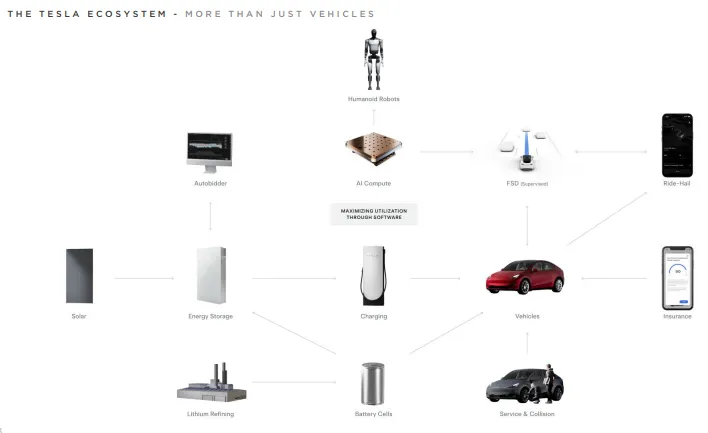
This long-term stance is strategically critical. In industries as capital-intensive and rapidly evolving as energy, transportation, and AI, short-termism is a death sentence. Most competitors are stuck optimizing legacy systems or reacting to change. Tesla creates it.
In doing so, it has set the agenda for global automakers, utilities, chip designers, advanced manufacturers, and even governments. And perhaps most impressively, Tesla has done this while still growing revenues, innovating at breakneck speed, and building some of the most efficient manufacturing systems on the planet.
Tesla’s vision is anchored in the next generation. For investors looking for a durable edge in a world of noise, that is a signal worth watching.
Speed of Execution & Iteration
If Tesla has a secret weapon beyond innovation, it is speed.
In a world where most large companies are bogged down by layers of bureaucracy, legacy systems, and supplier dependence, Tesla operates with the agility of a startup and the muscle of a global manufacturer.
The company has repeatedly demonstrated an ability to take ideas from whiteboard to mass production at a pace that leaves legacy automakers and energy incumbents in the dust.
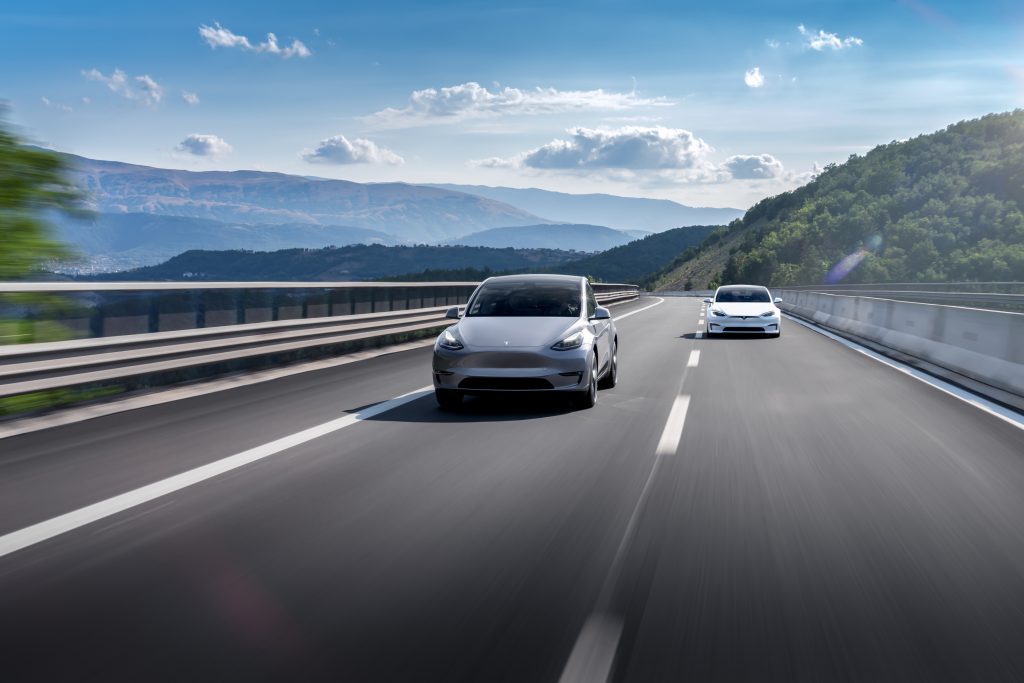
Take the Model Y, for example. From unveiling to scaling to the best-selling vehicle in the world, Tesla compressed a multi-year automotive development cycle into a matter of quarters, while also integrating major manufacturing innovations like Giga castings and structural battery packs.
Most automakers would require several model years to integrate such changes. Tesla does it mid-cycle.
The same speed applies to software iteration, particularly in Full Self-Driving (FSD). Tesla pushes real-time over-the-air updates to its fleet, learning from billions of real-world miles and improving weekly. No other auto company is anywhere close in terms of vision-based autonomy or fleet learning.
Tesla’s transition to end-to-end neural nets demonstrates the ability to scrap ideas when they know they are wrong and completely start over. The ability to navigate the sunk cost fallacy is almost unmatched.
Tesla’s Gigafactories also showcase execution speed at scale. The Shanghai Gigafactory went from permitting to production in under a year, an almost unthinkable timeline in the auto world.
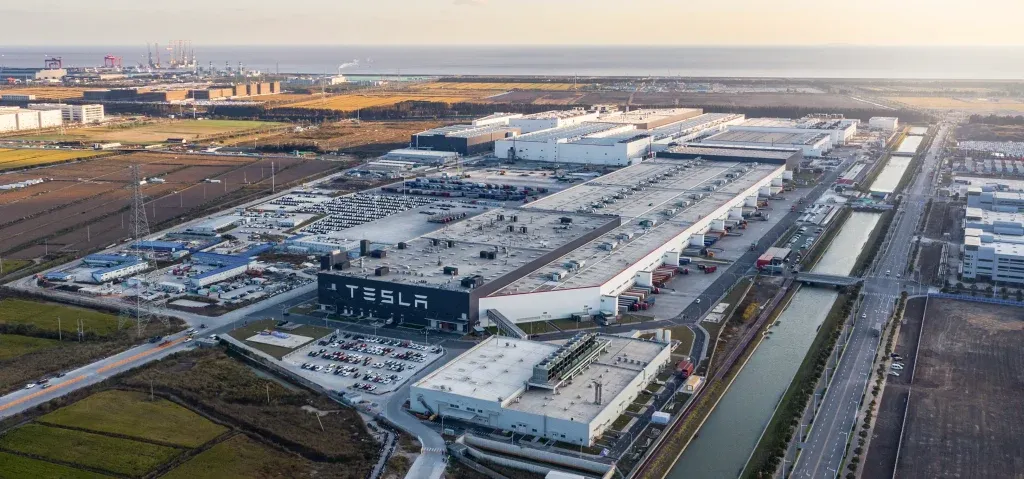
Giga Texas and Giga Berlin ramped even faster than expected, often with brand-new production processes and supply chains. Tesla’s vertical integration allows it to avoid many of the bottlenecks that hamstring traditional manufacturers, giving it full control over speed, design, and quality.
And this speed is not just about beating competitors to market, it’s about iterating rapidly to drive down cost, improve efficiency, and scale impact.
Every iteration on the assembly line or in a software stack is a potential margin unlock. Where legacy firms might iterate annually, Tesla does so weekly.
In short, Tesla doesn’t just build fast, it learns fast. That feedback loop of design → test → deploy is central to its competitive edge, and a key reason it continues to pull away from rivals who simply cannot move at similar speeds.
Relentless Focus on Cost Reduction
Tesla’s mission was to accelerate the world’s transition to sustainable energy, not just for the wealthy, but for the mass market (the new mission is to usher in the age of abundance).
To achieve that, Tesla has made cost reduction one of its core obsessions. What sets Tesla apart is not just its ability to innovate, but its ability to do so while simultaneously driving costs down across every layer of its stack, from batteries to factory layout.
Rather than treating cost-cutting as a one-off exercise, Tesla embeds it into its engineering DNA. Elon Musk has repeatedly emphasized that innovation must serve two goals: improve performance and lower costs. The company views every cost center as a challenge to reengineer from first principles.
Some (of many) examples of Tesla’s cost-reduction mindset:
- Vertical integration of battery materials (including plans for lithium refining in Texas) reduces upstream volatility and improves pricing power.
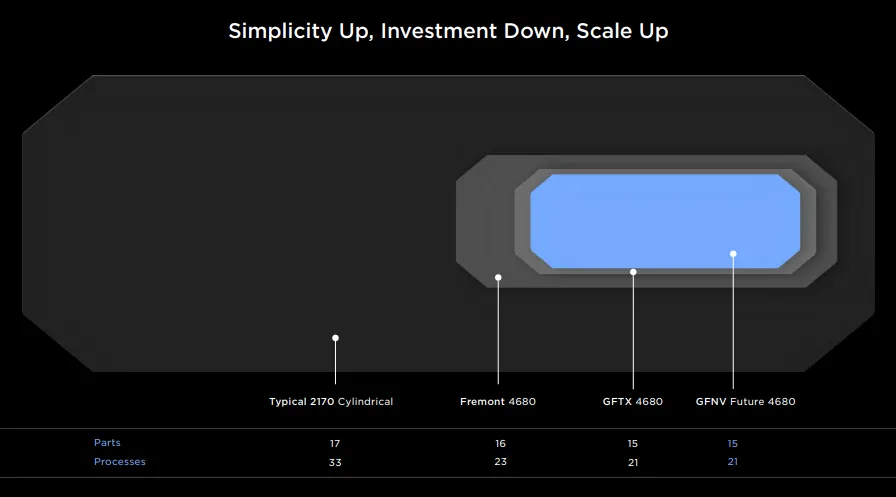
- Tesla pioneered gigacasting, using massive aluminum die-casting machines to replace hundreds of individual parts in the vehicle chassis with just a few.
- Tesla designs its factories with a blank-slate mindset—every Gigafactory is built to be more efficient than the last.
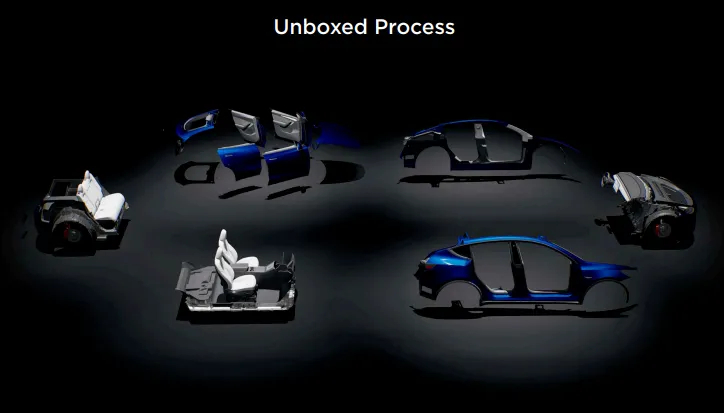
- Its “unboxed process” for the next-gen vehicle (expected to debut in 2025) involves parallelized assembly, potentially cutting production time and space requirements in half.
- By centralizing compute and moving to fewer, custom-built chips, Tesla cuts complexity and cost in the electronic architecture of its vehicles.
- On the energy side, Tesla is optimizing costs through modular Megapack units and vertically integrated production in Lathrop, California.
While many companies treat cost reductions as a response to external pressure, Tesla treats it as a necessity to accelerate its mission.
This philosophy allows Tesla to do what few others can: continue innovating while improving financial efficiency, a rare combination that reinforces its long-term advantage.
Why It Matters
Taken together, these three pillars (long-term vision grounded in first principles, unmatched speed of execution, and a relentless drive to cut costs) form the foundation of Tesla’s enduring competitive edge.
They explain how Tesla has consistently defied critics, leapt over legacy incumbents, and built not just better products, but better systems for delivering those products.
Tesla isn’t just a premium EV car company, like Rivian, or an energy company, it’s a platform for industrial reinvention. Its approach enables bold bets in hardware and software that few others would attempt, much less ship at scale.
What Tesla Actually Does
To fully understand Tesla’s future potential, it’s important to understand the scope of its ambition today.
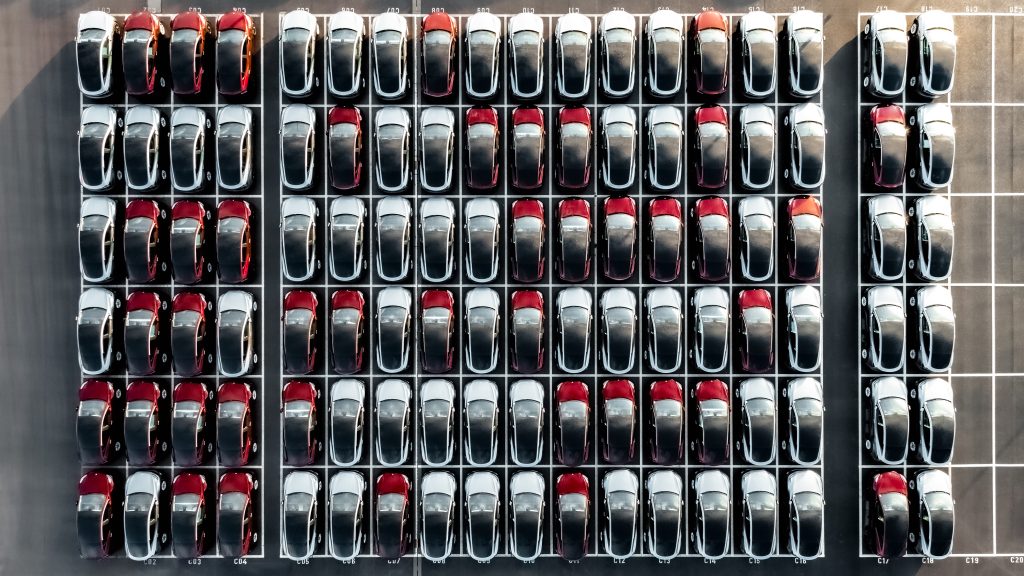
What follows is a high-level overview of the company’s major business lines, each of which warrants its own deep dive. From vehicles to virtual power plants, from charging infrastructure to humanoid robots, Tesla is playing on more fronts than any other company in modern history.
Vehicles
Tesla’s vehicle business is the company’s most mature and widely recognized line, yet it continues to evolve in ambition, scale, and technological sophistication.
Tesla is reshaping how vehicles are designed, manufactured, and experienced. The company’s lineup spans multiple categories and use cases, each designed from the ground up with electric architecture and software at the core.
Model S, 3, X, Y – The S3XY Lineup
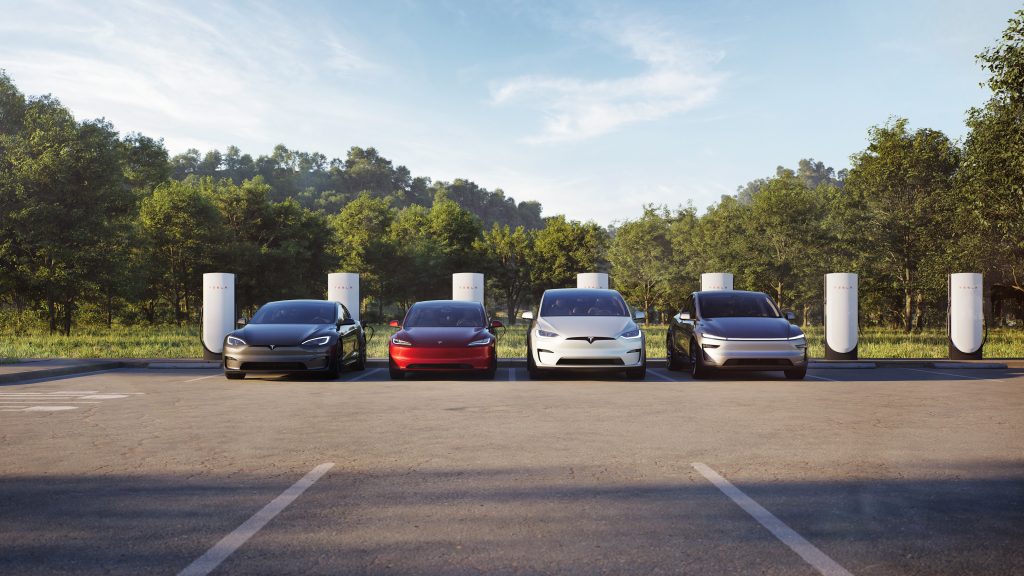
These four models form the backbone of Tesla’s automotive dominance, each serving a different segment:
- Model S: Tesla’s original premium sedan, continuously updated with features like a yoke steering wheel and Plaid powertrain. It offers sports car performance in a sleek EV package.
- Model 3: The company’s best-selling vehicle globally, designed for mass adoption. It combines affordability, range, and sleek design, with a major refresh (“Highland”) rolled out in key markets.
- Model X: A luxury SUV with Falcon Wing doors, all-wheel drive, and impressive performance, targeting consumers who want space and style.
- Model Y: Tesla’s crown jewel in volume sales. It’s now the best-selling car in the world (not just EV), offering crossover utility with sedan-like efficiency and lower cost of production via structural battery packs and gigacasting.
These vehicles are manufactured across Tesla’s gigafactories in California, Texas, Berlin, and Shanghai, with an emphasis on vertical integration, software-defined features, and scalable production.
Cybertruck
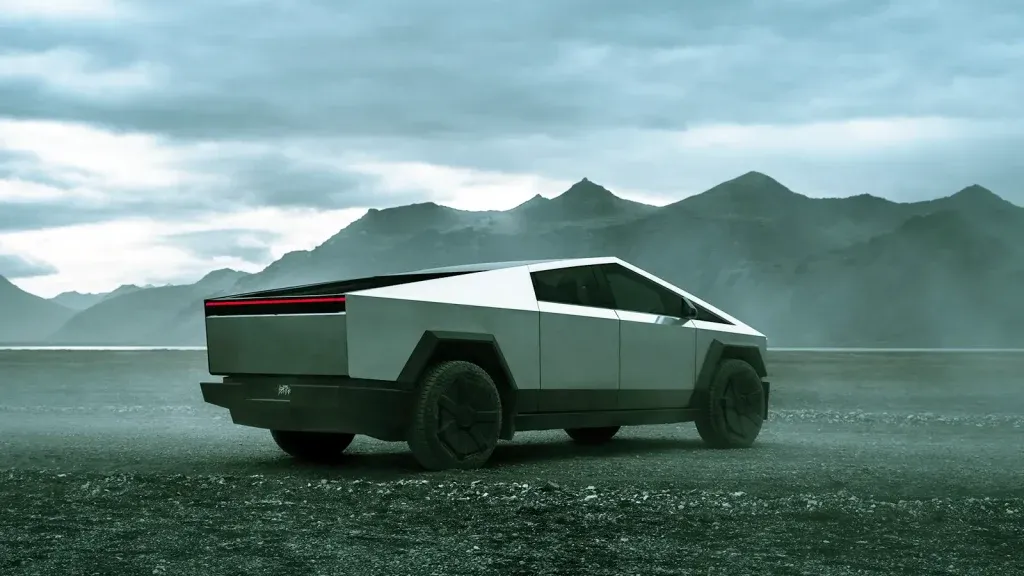
- Tesla’s boldest design yet (in production), the Cybertruck challenges every convention of the pickup segment.
- Made with ultra-hard stainless steel and armor glass, it targets utility, performance, and durability.
- Production began in late 2023, and although still ramping, it’s a testbed for new manufacturing approaches, like the 48-volt architecture and steer-by-wire systems.
- While polarizing in design, it reinforces Tesla’s brand as a company willing to build what others won’t.
Roadster (Next-Gen)
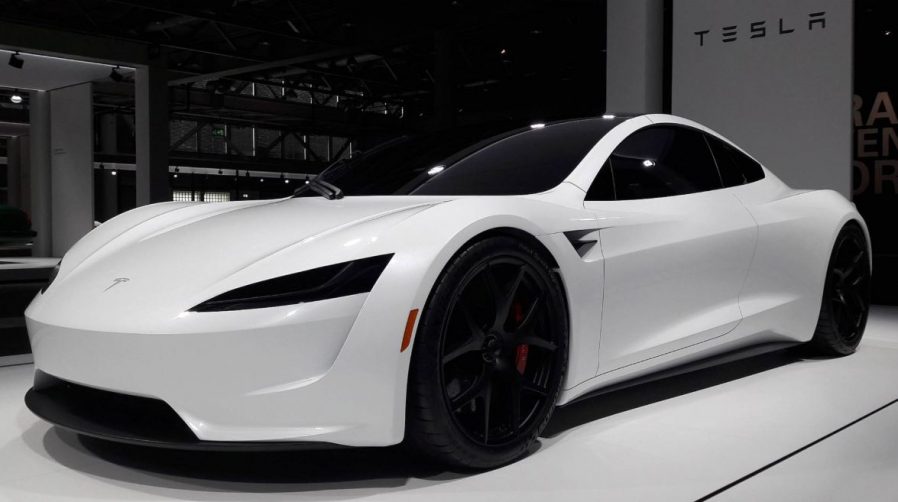
- Positioned as the halo car in Tesla’s lineup, the new Roadster aims to be the fastest production car ever made, with a sub-2-second 0–60 mph time.
- Originally slated for release years ago, it’s still in development—but it remains a statement product designed to push the limits of what an EV can be.
- Likely to include advanced features like cold-gas thrusters powered by compressed air (borrowed from SpaceX tech).
Tesla Semi
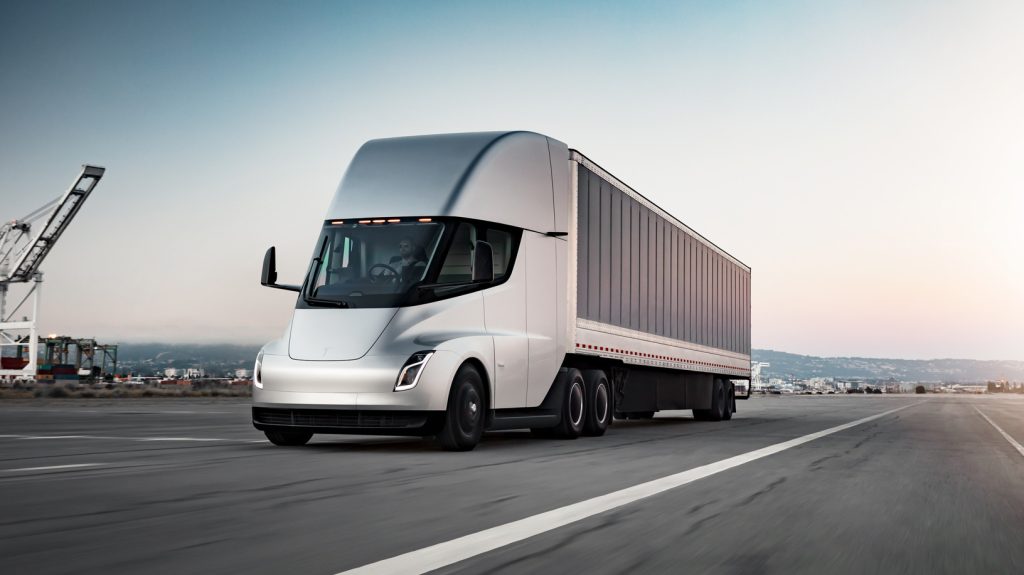
- The Tesla Semi represents Tesla’s push into commercial freight and logistics.
- It boasts 500 miles of range fully loaded, with lower total cost of ownership than traditional diesel trucks.
- PepsiCo and other early adopters have started limited fleet use, showing promising performance.
- Key benefits include lower operating costs, autopilot support, and reduced maintenance due to fewer moving parts.
Together, Tesla’s vehicle portfolio demonstrates its ability to scale across form factors and market segments.
From mass-market sedans to futuristic pickups and commercial trucks, Tesla’s vehicle business is not only a growth engine but also the company’s platform for software updates, FSD (Full Self-Driving), and ecosystem integration.
Speaking of ecosystem integration, leveraging vehicle data and advanced risk modeling, Tesla Insurance offers competitive premiums tailored specifically for Tesla owners.
This approach provides better rates while enhancing customer loyalty and service. While only available in some states today, this is an example of how Tesla can exploit some significant growth levers.
FSD and Ride-Hailing
Tesla’s vision extends beyond traditional vehicle ownership, aiming to revolutionize transportation through fully autonomous driving and purpose-built autonomous vehicles. Central to this strategy are Tesla’s upcoming autonomy-native vehicles and its evolving Full Self-Driving (FSD) software, paired with plans for a proprietary ride-hailing network.
Robovan & Cybercab (Autonomy-Native Vehicles)
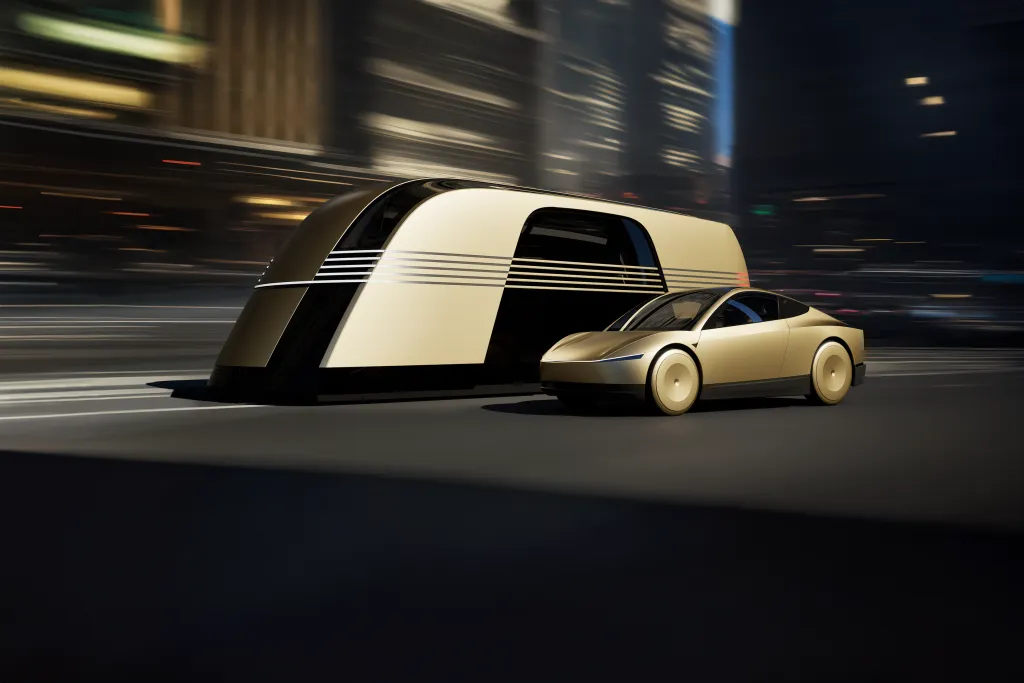
Tesla is designing vehicles from the ground up specifically for autonomous operation, not just retrofitting autonomy onto existing models:
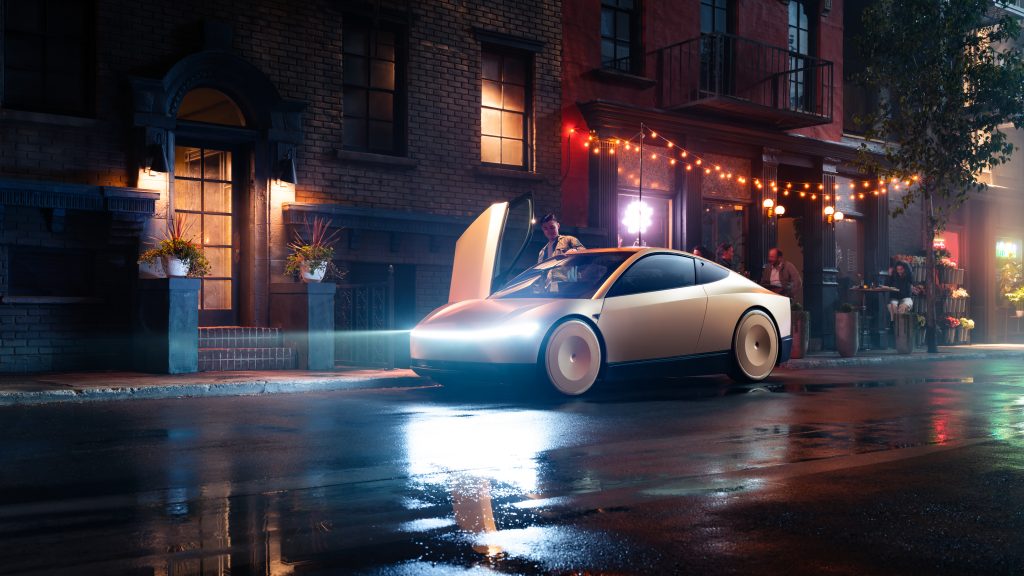
Cybercab:
- A fully autonomous, low-cost robotaxi without steering wheels or pedals.
- Optimized for ride-hailing, with modular, passenger-centric interiors.
- Production planned at Giga Texas, targeting a launch in the imminent future.
- Designed with Tesla’s next-gen manufacturing innovations to maximize efficiency and scalability.
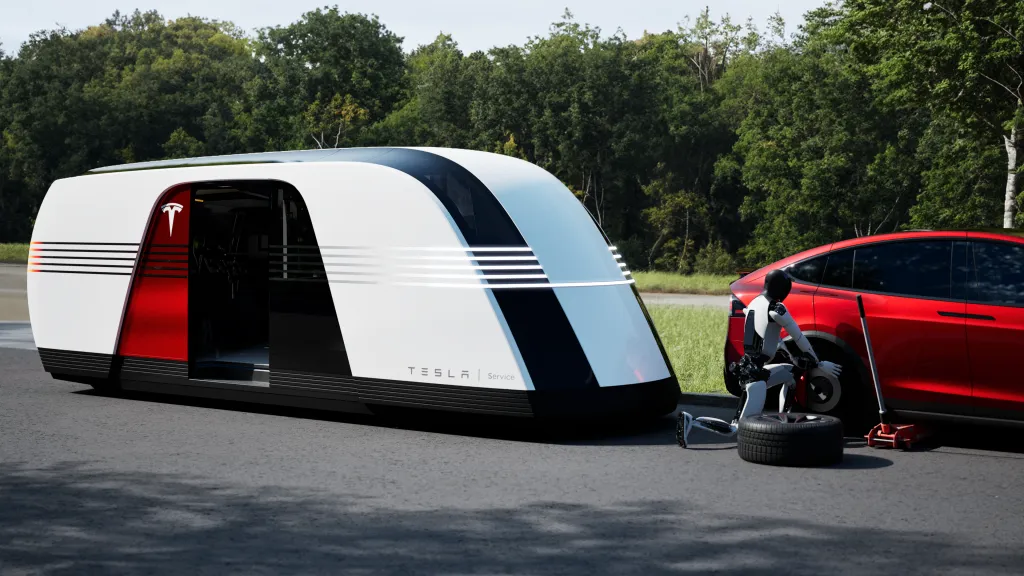
Robovan:
- A versatile electric van designed for passenger shuttling, logistics, and autonomous delivery.
- A future cornerstone for commercial applications of Tesla’s autonomy technology.
- Both vehicles embody Tesla’s commitment to autonomy-native platforms to optimize safety, usability, and cost.
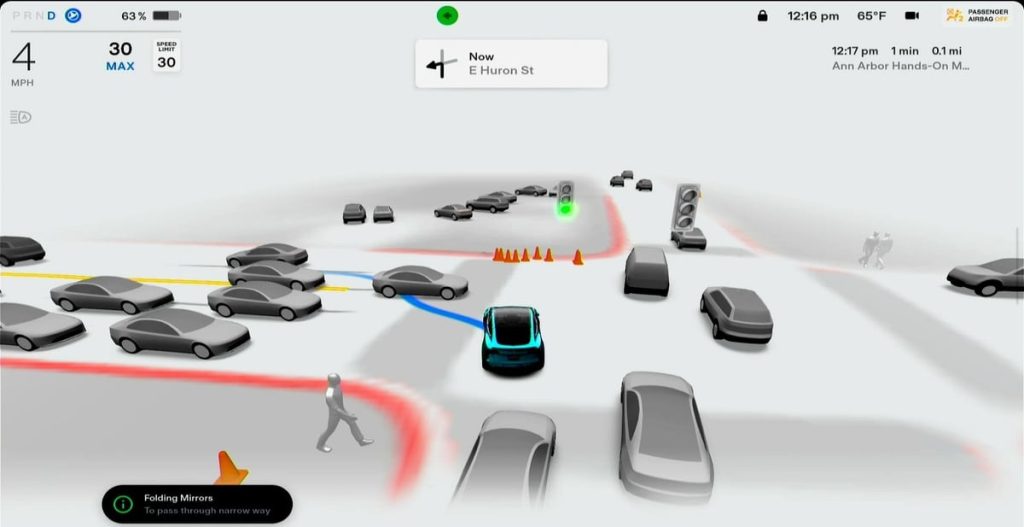
Full Self-Driving (FSD) Software
Tesla’s current FSD represents the most advanced in-house autonomous driving software globally:
- Uses a camera-based vision system, enhanced by neural networks and advanced AI processing running on Tesla’s custom AI hardware.
- The system is continuously improved via over-the-air updates, with Tesla collecting real-world driving data at an unprecedented scale.
- The software has moved closer to Level 4 autonomy enabling many drivers to go hours without intervention (already today) and is only getting better.
- Tesla continues to focus on improving safety, scalability, and regulatory approval, building a system designed for global deployment without reliance on costly hardware like LiDAR or HD maps.
Planned Autonomous Ride-Hailing Network
- Tesla aims to launch its own Tesla Network (Elon repeatedly refuses to consider purchasing Uber, and for great reason), a fully autonomous ride-hailing platform integrated directly with its FSD-capable vehicles.
- Vehicle owners will be able to add their cars to the network, generating revenue when not in use.
- The Tesla Network will compete with traditional ride-hailing services by offering: lower costs, enhanced safety, and convenience.
- This platform could unlock a new recurring revenue stream for Tesla and redefine vehicle ownership economics.
Tesla Energy: Powering the Future of Sustainable Energy
Tesla’s energy business is a vital complement to its electric vehicle mission, providing integrated solutions for clean energy generation, storage, and management — from individual homes to large utility grids. This segment plays a key role in Tesla’s vision for a sustainable energy ecosystem.
Residential Energy Solutions
Tesla offers innovative products that empower homeowners to generate and store renewable energy efficiently:
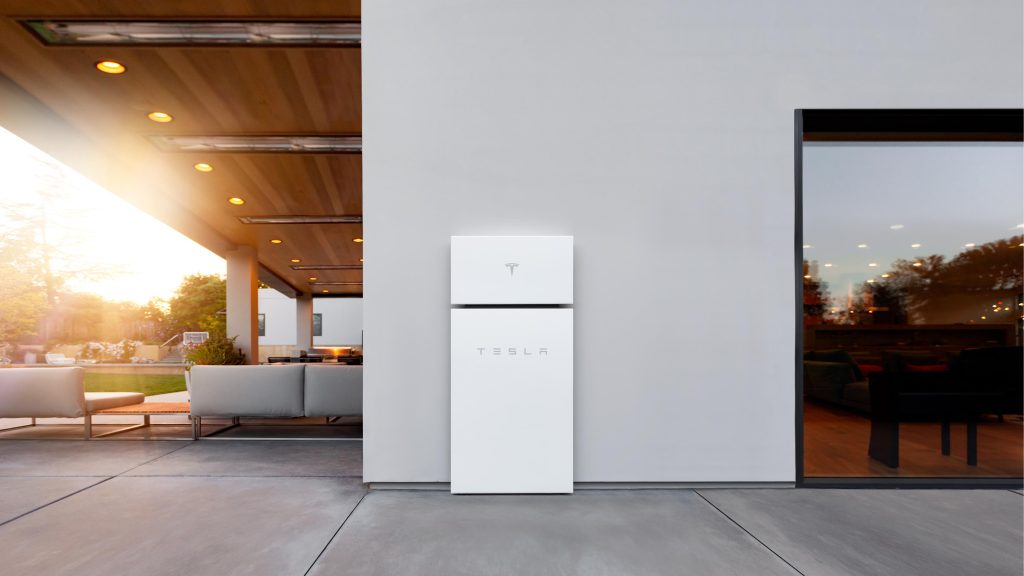
- Powerwall is a compact lithium-ion battery that stores solar energy for home use, backup power, and load shifting, enabling energy independence and resilience. It integrates seamlessly with Tesla’s ecosystem and can be monitored remotely via app.
- Solar Panels provide efficient rooftop solar power with a complete installation service, designed for durability and aesthetic appeal.
- Solar Roof replaces traditional roofing materials with solar-embedded tiles, combining energy generation with sleek home design. Although its rollout has been gradual, it reflects Tesla’s long-term vision of fully integrated residential solar energy.
Commercial & Utility-Scale Energy Storage
Tesla’s larger-scale battery products help businesses, utilities, and grid operators manage energy demand, integrate renewables, and improve grid stability:
- Powerpack is a scalable commercial battery system used for peak shaving, load shifting, and backup power, helping customers reduce costs and enhance resilience.
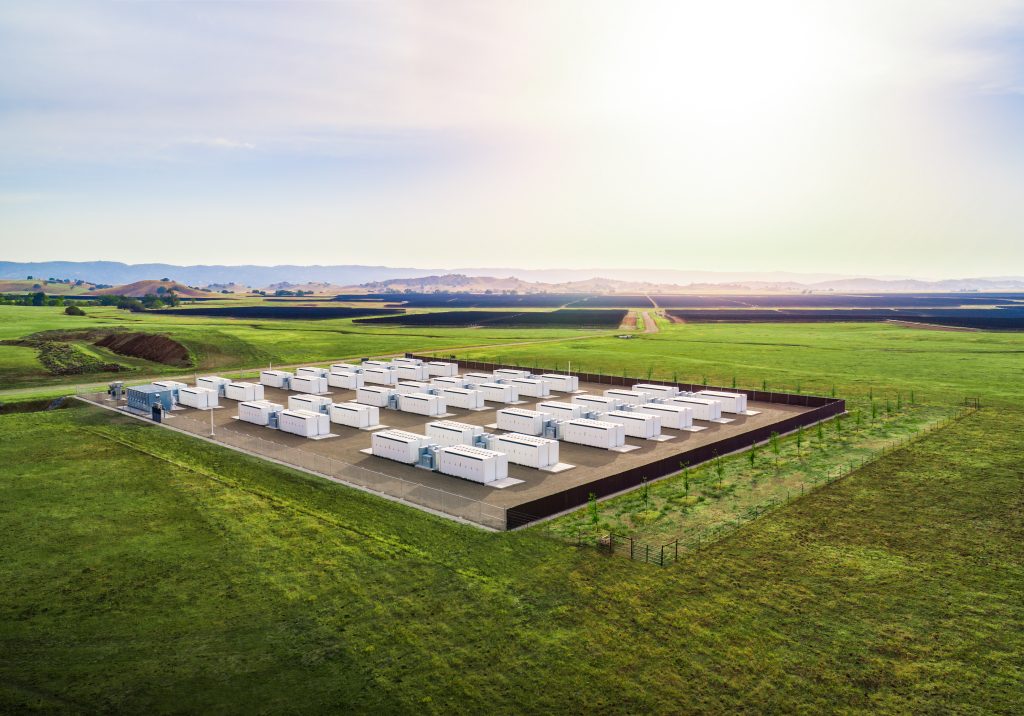
- Megapack, Tesla’s flagship utility-scale battery, supports grid modernization by storing excess renewable energy and enabling utilities to replace fossil-fuel peaker plants with clean, flexible storage solutions. It is rapidly deployed worldwide and is central to accelerating the clean energy transition. Learn more in our Megapack deep dive.
Intelligent Energy Management Services
Tesla also offers software platforms that optimize energy usage and create new revenue opportunities:
- Virtual Power Plants (VPP) aggregate distributed energy resources like Powerwalls to act as a single power plant, providing grid services such as demand response and enhancing reliability. Tesla has pioneered VPPs in markets like California and Australia.
- Autobidder is an AI-powered platform that autonomously bids battery-stored energy into wholesale markets, maximizing revenue for asset owners and providing flexible capacity to the grid.
- Opticaster uses advanced analytics and machine learning to optimize energy efficiency for commercial and utility customers, reducing costs and emissions.
AI and Robotics: Pushing the Boundaries of Automation
Tesla’s ambitions extend far beyond electric vehicles and energy storage. The company is investing heavily in advanced AI and robotics, technologies that could redefine multiple industries and unlock new growth frontiers.
Dojo Supercomputer
At the heart of Tesla’s AI advancements is Dojo, a custom-built supercomputer designed to accelerate machine learning and neural network training.
Dojo’s primary purpose is to enhance Tesla’s FSD capabilities by processing vast amounts of real-world driving data faster and more efficiently than traditional cloud infrastructure.
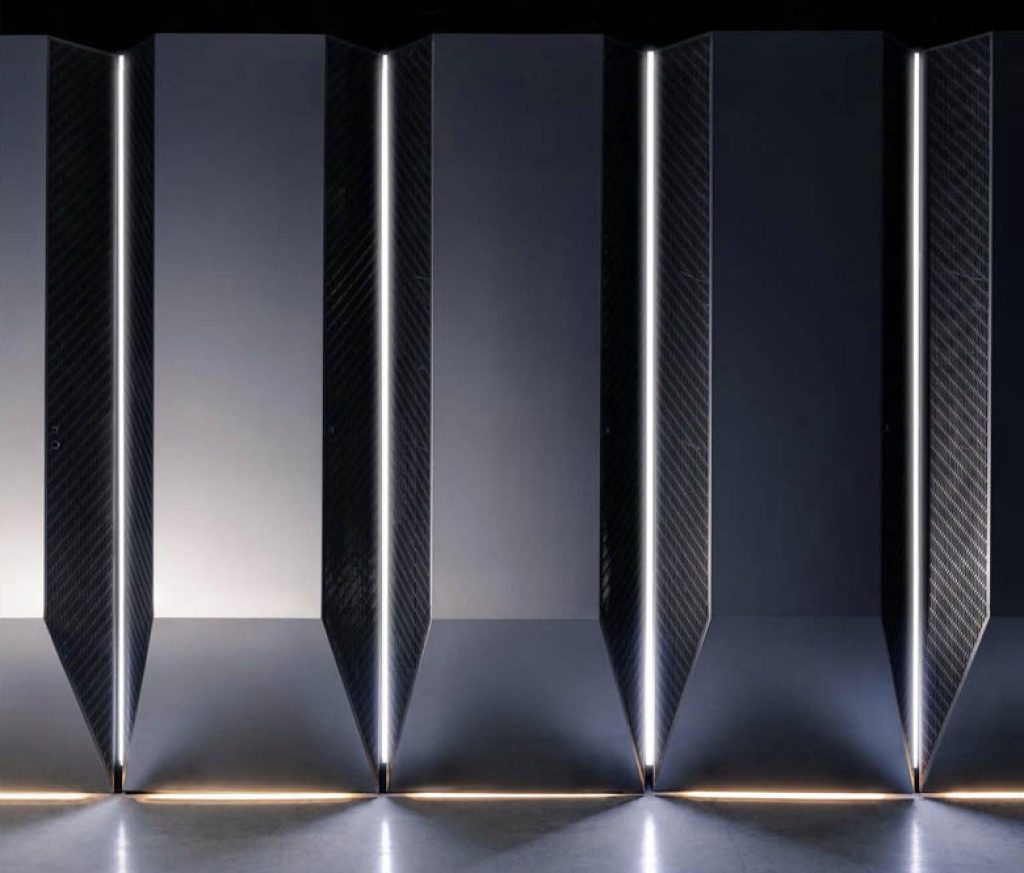
- Dojo is optimized for high-speed training of video data from Tesla’s fleet, improving the accuracy and safety of autonomous driving algorithms.
- The scale and speed of Dojo allow Tesla to iterate on FSD software updates at an unprecedented pace, maintaining its leadership in autonomous vehicle technology.
- Beyond FSD, Dojo is expected to support other AI-driven initiatives within Tesla, potentially powering innovations in robotics and beyond.
Elon has alluded to the possibility for Tesla to sell Dojo computing power in the future, much like what Amazon has done with AWS.
Optimus Robot
Tesla is also pioneering efforts in robotics with the development of Optimus, a general-purpose humanoid robot designed to perform tasks that are repetitive, dangerous, or undesirable for humans. Optimus represents Tesla’s vision of bringing AI and robotics into everyday life and industry.
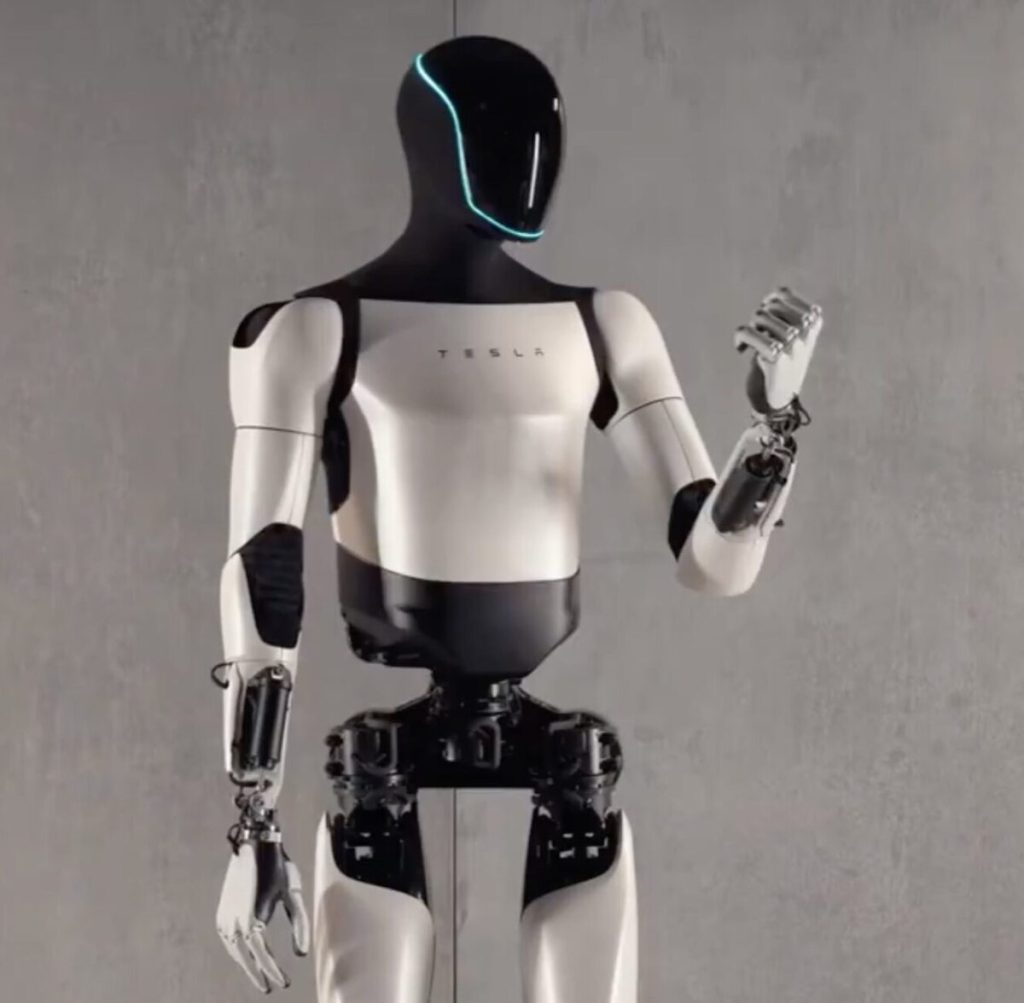
- The robot is built leveraging Tesla’s expertise in AI, sensors, and manufacturing, sharing core technologies with their AV program.
- Optimus aims to address labor shortages and productivity challenges by assisting in manufacturing, logistics, and possibly even home assistance.
- While still in development, Optimus showcases Tesla’s long-term commitment to pushing technological frontiers and expanding its addressable markets beyond vehicles and energy.
Together, Dojo and Optimus demonstrate Tesla’s dedication to embedding AI and robotics into its ecosystem, aiming not only to revolutionize transportation and energy but also to become a leader in next-generation automation technologies.
Manufacturing & Supply Chain: The Backbone of Tesla’s Scale and Efficiency
Tesla’s ability to innovate and scale rapidly is deeply rooted in its vertically integrated manufacturing and supply chain strategy. The company’s global footprint and relentless pursuit of production efficiency give it a competitive edge that few can match.
Gigafactories: Global Production Hubs
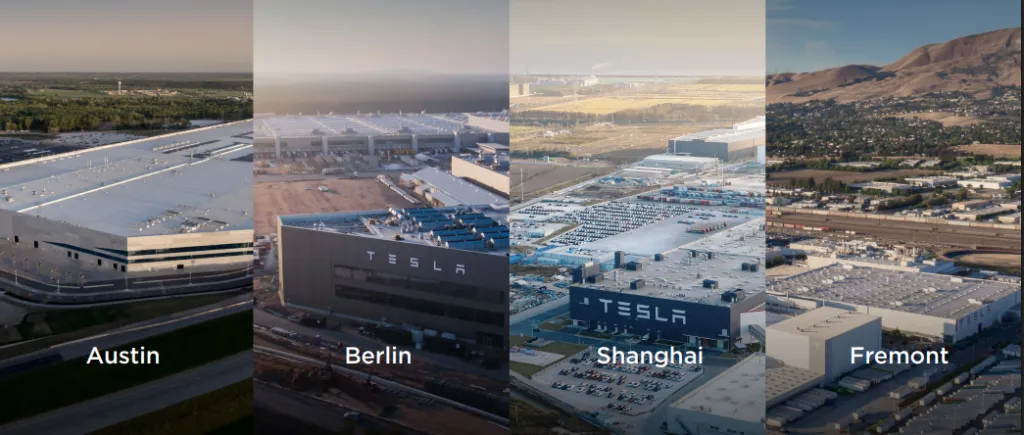
Tesla operates multiple state-of-the-art Gigafactories strategically located around the world, each playing a critical role in meeting rising demand while optimizing costs and logistics:
- Fremont, California: Tesla’s original and flagship factory. It was responsible for producing Model S, 3, X, and Y vehicles. It combines traditional auto manufacturing with Tesla’s unique production techniques.
- Shanghai, China: The first Gigafactory outside the U.S., enabling Tesla to tap into the massive Chinese EV market with locally produced vehicles, reducing tariffs and delivery times.
- Berlin, Germany: European manufacturing hub designed to serve European markets with advanced production processes and localized supply chains.
- Austin, Texas: A rapidly expanding facility producing Cybertruck, Model Y, and future vehicles, benefiting from lower costs and central U.S. logistics.
- Nevada, New York: Tesla also has factories in Nevada and New York where they plan to build the Tesla Semi, Charging infra, etc.
- Mexico (on hold): Announced to further scale manufacturing capacity and cost competitiveness, especially for North American markets. On hold due to tariff concerns.
Battery Innovation & In-House 4680 Cell Production
A core pillar of Tesla’s manufacturing prowess is its focus on battery technology, a major cost and performance driver in EVs and energy storage:
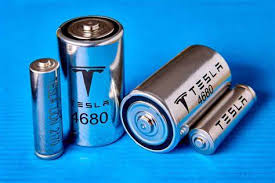
- Tesla pioneered the 4680 battery cell, which is larger and more energy-dense than previous designs, enabling greater range, faster charging, and reduced costs.
- In-house production of 4680 cells at Gigafactories reduces dependency on external suppliers, giving Tesla tighter control over quality, supply security, and cost optimization.
- Continued innovation in battery chemistry and manufacturing processes is central to Tesla’s roadmap for making EVs more affordable and improving overall vehicle performance.
Vertical Integration & Lithium Refining
Tesla’s supply chain strategy emphasizes vertical integration, allowing the company to control key components and materials upstream:
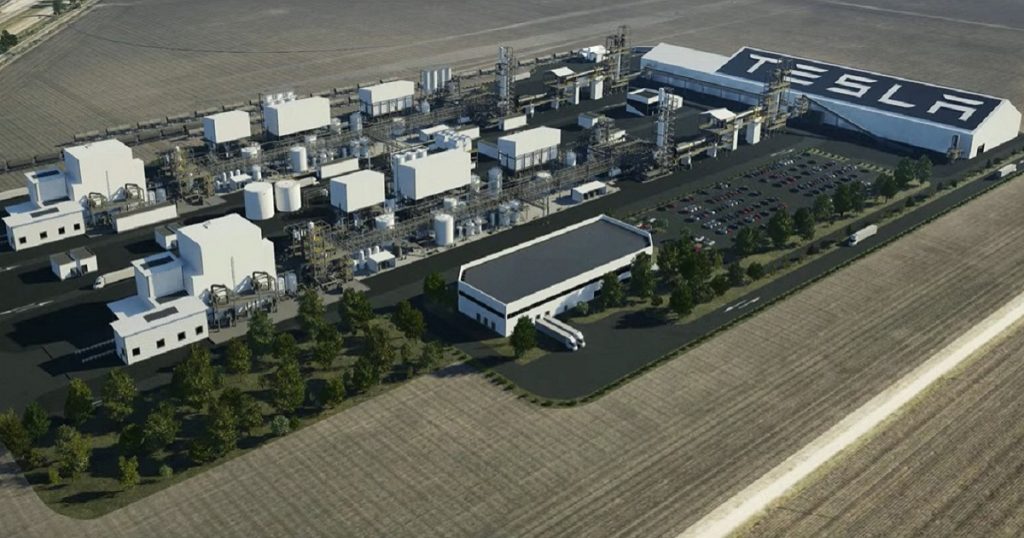
- Tesla has invested in lithium refining capacity, critical for battery production, to secure raw material supply and reduce vulnerability to commodity price swings and supply bottlenecks.
- Vertical integration extends to manufacturing of battery components, electric motors, and vehicle software, creating synergies that boost efficiency and innovation speed.
- This approach contrasts with traditional automakers who often outsource these elements, enabling Tesla to be more agile in responding to market changes and scaling rapidly.
Tesla’s manufacturing and supply chain strategy is a fundamental reason why the company can produce cutting-edge products at scale while driving down costs—an advantage that continues to widen the gap between Tesla and legacy competitors.
Charging Infrastructure: Powering the Tesla Ecosystem
Tesla’s 60,000 supercharging network is a vital competitive advantage that supports its vehicles and enhances customer experience, while expanding its ecosystem through innovative technology and partnerships.
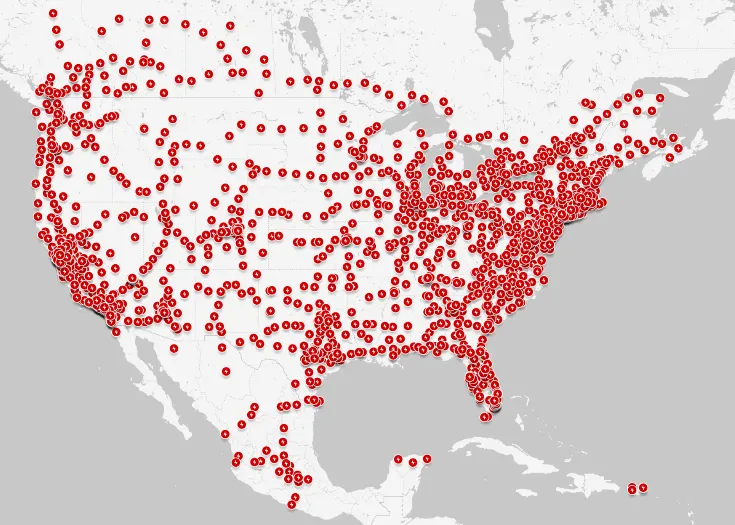
Tesla’s proprietary Supercharger network is one of the world’s largest fast-charging infrastructures, offering high-speed charging at thousands of locations globally.
The network enables long-distance travel with Tesla vehicles by significantly reducing charging times compared to standard chargers.
Recently, Tesla opened parts of its Supercharger network to non-Tesla EVs via the North American Charging Standard (NACS), broadening access and positioning Tesla as a leader in EV infrastructure beyond its own customers.
Tesla Wall Connector:
For residential charging, the Tesla Wall Connector provides a convenient, high-powered solution that allows owners to charge their vehicles overnight at home.
It integrates seamlessly with Tesla’s ecosystem, offering faster and safer charging than standard outlets.
Other Business Lines: More to Come
Tesla’s track record suggests that its most transformative innovations may still be under wraps.
The company has a history of surprising markets with category-defining products, whether it’s the Cybertruck, Optimus robot, or the development of its Dojo supercomputer.
Elon Musk’s engineering-driven culture encourages moonshot thinking, often pursuing ambitious ideas long before they become mainstream.
From hints at electric aircraft and next-gen HVAC systems to broader AI applications beyond vehicles, Tesla’s internal roadmap likely includes projects not yet disclosed to the public.
Investors and observers alike should remain aware that Tesla’s greatest contributions to society, and value creation, may come from what hasn’t been announced yet.
These ventures highlight Tesla’s commitment to innovation across multiple industries, reinforcing its long-term vision of accelerating the world’s transition to sustainable energy and technology.
Tesla’s charging infrastructure and diversified business lines collectively strengthen its ecosystem, improve customer experience, and open new revenue streams—key factors that support Tesla’s continued growth and market leadership.
Q1 2025 Financial Snapshot: Navigating Transition with Strategic Investment
Revenue Decline Driven by Automotive Segment
- Tesla reported total revenues of $19.3 billion, down from $21.3 billion in Q1 2024.
- This decline was primarily due to a 21.5% drop in automotive sales revenue, which fell to $12.9 billion, reflecting weaker vehicle deliveries and potential pricing pressures.
Significant Profit Contraction
- Net income attributable to common stockholders fell to $409 million from $1.39 billion year-over-year, a 71% decline.
- This resulted in diluted EPS of $0.12, down from $0.41 in Q1 2024.
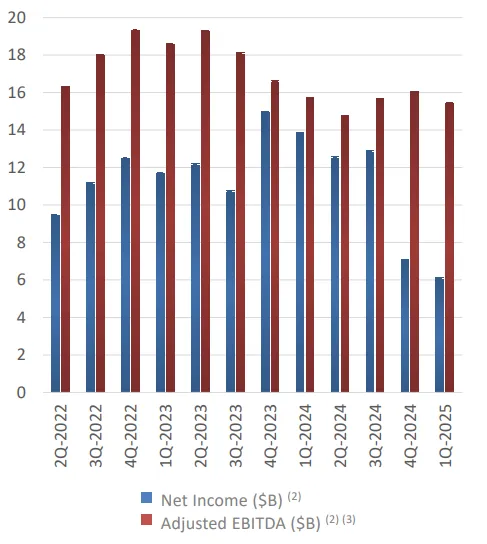
Trailing 12 months (TTM), from Q1 2025 earnings presentation
Energy Business Continued Growth
- Revenue from the energy generation and storage segment increased significantly to $2.73 billion, up from $1.64 billion a year ago — a 66% increase.
- This highlights continued momentum in Tesla’s non-automotive operations.
Operating Margin Compression
- Gross profit fell to $3.15 billion from $3.70 billion, and income from operations dropped to $399 million from $1.17 billion, primarily due to higher R&D spending (up 22% YoY) and $94 million in restructuring charges.
Solid Liquidity Position Maintained
- Tesla ended the quarter with $16.35 billion in cash and cash equivalents and $20.64 billion in short-term investments, indicating strong liquidity even amid declining profitability
The Northwise Take
That was a lot.
We covered the three core drivers of Tesla’s success (long-term vision, speed, and cost-cutting), Tesla’s business lines, and their most recent quarterly earnings.
While not everything is going perfectly to plan, Tesla has a lot of big bets and betting big tends to be a self-fulfilling prophecy. The company only needs to hit it big on a couple of their bets to solidify itself as a generational platform for human prosperity.
Assessing the question, “should I buy Tesla stock?” is not an easy task.
At a ~$1T valuation, the company is currently trading at over a 10 price-to-sales ratio. To justify this valuation in any way, one must think long-term, in the same way that Tesla does.
Imagine some hypotheticals:
- Tesla has a robotaxi fleet of 1 million vehicles, all generating $100 revenue and $20 profit per day. That is ~$7B per year, or about $2 EPS. Now imagine 10 million. 20 million? Keep in mind, this is global, not just the United States.
- Tesla sells 1 million Optimus robots per year at $30K each. $30 billion in revenue.
- Now go through this exercise with Megapacks, their existing vehicle business, Dojo, charging, solar panels, you get the point.
There is no definitive answer to the question “Should I buy Tesla Stock?”
At Northwise, we are invested in the company and we encourage you to do your own research.
Tesla Megapack
Tesla Megapack: current storage deployments, energy margins, Megapack 3 and Megablock, factory status and the economics of battery projects.

Celsius Stock Analysis: The Shelf Reset and the Second Growth Curve
Celsius stock analysis of the shelf reset, Alani growth, Pepsi economics and cash flow, with a 2030 model and a Premium valuation and entry-price framework.

Meta AI Spending: The Customer Is Already Here
Can Meta turn AI spending into shareholder returns? We model advertising, Muse, hardware, capital costs and cash flow through 2030, with a full valuation.
Northwise Portfolios
See how the research becomes real decisions
Reader discussion
Discuss the research
Create a Free account to join the discussion with a display name.
Create a Free Account
No comments yet. Start a thoughtful discussion.