
Should I Buy Costco Stock
Should I Buy Costco Stock? Costco ($COST) stands as a paragon of retail excellence, uniquely blending premium quality with affordability.
In this article
Should I Buy Costco Stock? Premium Valuation Demands Premium Execution
Costco Wholesale Corporation (NASDAQ: COST) stands as a paragon of retail excellence, uniquely blending premium quality with affordability.
Costco’s membership-based model not only fosters customer loyalty but also generates a consistent revenue stream, contributing significantly to its financial robustness. We explore these dimensions to help you answer the question “Should I Buy Costco Stock?”
Introduction to Costco and Leadership
The first place to search to answer this critical question, “Should I Buy Costco Stock?,” is the background of Costco.
Founded in 1983 in Seattle, Costco Wholesale Corporation has evolved into a global retail titan by staying laser-focused on a simple but powerful value proposition: high-quality goods at unbeatable prices.
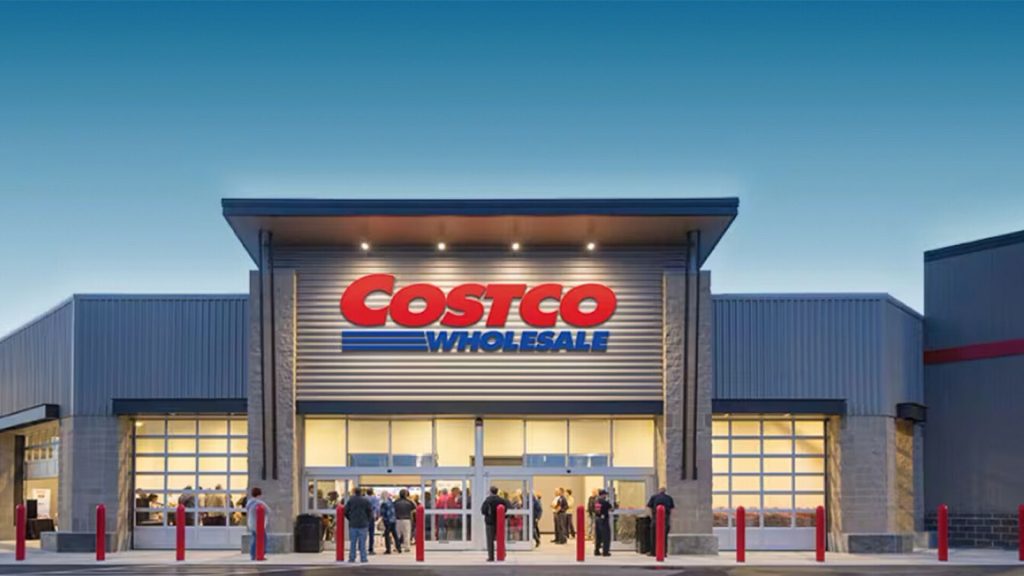
Over the past four decades, it has expanded its footprint and refined its operational model into one of the most admired in retail.
- As of May 2025, Costco operates 905 warehouses globally, including:
- 627 in the United States and Puerto Rico
- Locations in Canada, Mexico, the United Kingdom, Japan, South Korea, Australia, Spain, France, China, and more
- The company serves over 130 million cardholders worldwide, making it one of the most subscribed membership programs globally.
- In the U.S., it ranks among the top five retailers by revenue, often outperforming competitors on a per-square-foot basis.
Leadership Transition: From Jelinek to Vachris
In January 2024, Costco underwent a key leadership transition:
- Ron Vachris succeeded long-time CEO W. Craig Jelinek, who had led the company since 2012.
- Vachris has been with Costco since 1982, beginning as a forklift driver and steadily rising through the ranks, serving in roles such as Executive Vice President of Merchandising and President/COO.
- His appointment reflects Costco’s culture of internal promotion and operational continuity, a strategic decision that preserves:
- The company’s disciplined cost structure
- Its focus on customer and employee satisfaction
- Its long-term vision, especially regarding store growth, membership stability, and Kirkland Signature brand expansion
Membership-Driven Stability
A critical factor that helps us answer “Should I Buy Costco Stock?” is their business model.
Costco’s business model is both simple and uniquely powerful: it monetizes access to value, much like Amazon does with Amazon prime.
Unlike most retailers that depend solely on product margins, Costco generates a significant portion of its profits from membership fees, allowing it to sell goods closer to cost and still deliver strong returns.
Core Structure: Two-Tier Membership Program
Costco operates a two-tier annual membership system, which forms the financial backbone of the company:
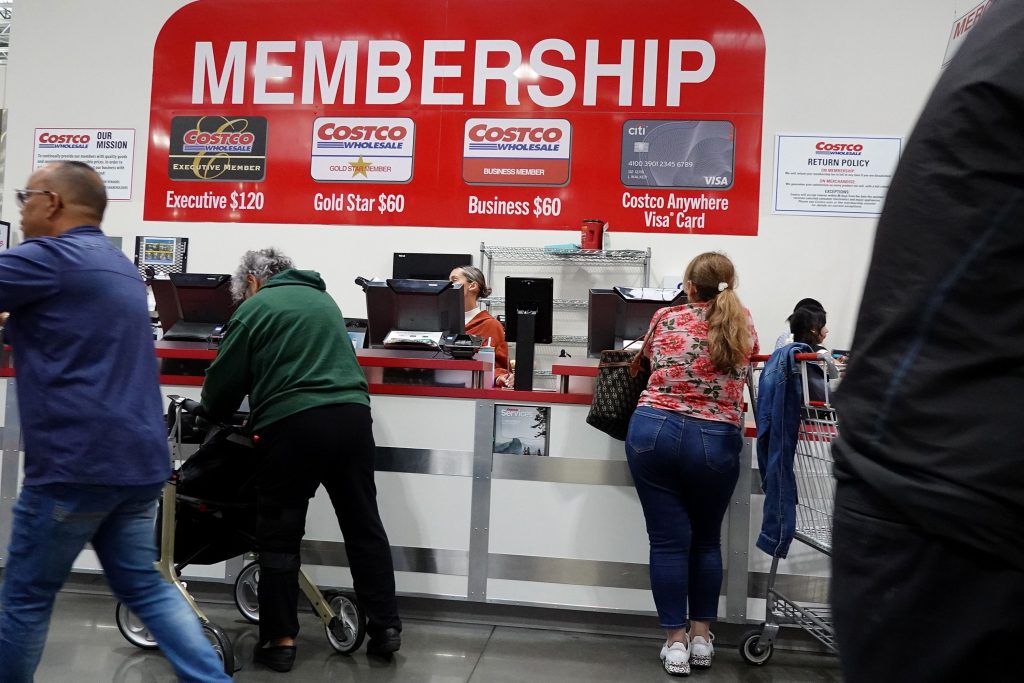
Gold Star Membership:
- $60 per year
- Grants access to any Costco location worldwide
- Targeted at individual consumers
Executive Membership:
- $120 per year
- Includes a 2% annual reward (up to $1,000) on qualifying purchases
- Aimed at high-spending households and small business owners
As of early 2025, over 70 million households worldwide hold active memberships, with over 55% opting for the higher-tier Executive membership, signaling strong customer engagement and retention.
Recurring Revenue and Margin Stability
Membership fees act as a recurring annuity that provides stability and cushions against fluctuations in retail margins:
- In the first half of fiscal 2025, Costco generated $2.36 billion in membership fees, representing a high-margin revenue stream with minimal associated costs.
- In fiscal year 2024, total membership fee income reached $4.6 billion, accounting for more than 70% of net income, underscoring its importance.
- Renewal rates are exceptionally strong:
- U.S. and Canada renewal rate: ~93%
- Worldwide renewal rate: ~90%
- U.S. and Canada renewal rate: ~93%
Strategic Advantages of the Model
Costco’s model unlocks several strategic advantages that few competitors can replicate:
- Customer Loyalty
- The upfront membership payment creates a psychological commitment, increasing frequency of visits and average basket size.
- Executive members tend to spend significantly more than basic-tier members.
- Price Leadership
- Since the company earns a sizable portion of profits from memberships, it can afford to operate on razor-thin product margins, often around 11% gross margin (compared to 24–35% for traditional retailers like Walmart or Target).
- This cost advantage is passed to consumers, reinforcing Costco’s reputation for unbeatable value.
- Operational Efficiency
- The membership model limits Costco’s customer base to committed, high-conversion buyers, reducing customer acquisition costs and increasing operational predictability.
The Costco Experience: Value and Entertainment
Costco’s retail model doesn’t just deliver low prices, it creates a destination shopping experience that blends value with unexpected enjoyment.
While most big-box retailers optimize for efficiency, Costco has cultivated something closer to an adult amusement park; a place where a shopping trip becomes a family outing.
Iconic Touchpoints that Drive Engagement and Loyalty
Costco’s customer experience is built on a series of memorable and often nostalgic elements:
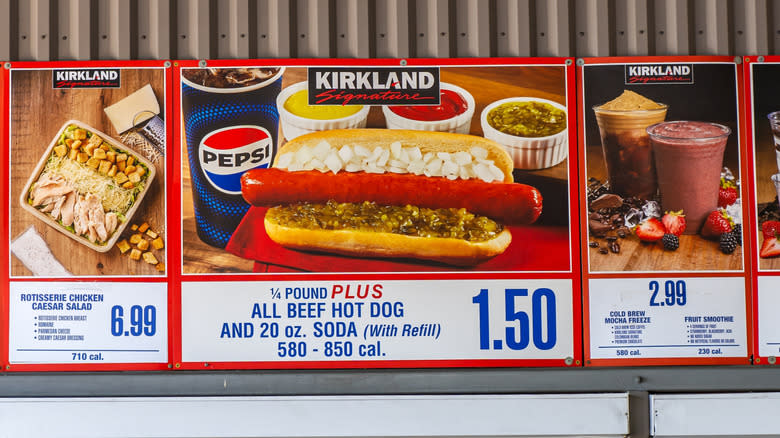
- $1.50 Hot Dog and Soda Combo
- Introduced in 1984 and never raised in price despite inflation, this combo has become a symbol of Costco’s commitment to customer value and a funnily important thing to remember when asking should I buy Costco stock?
- Former CEO Craig Jelinek once said he was told by co-founder Jim Sinegal: “If you raise the price of the hot dog, I will kill you.”
- To preserve the deal, Costco vertically integrated and now manufactures its own hot dogs.
- Perhaps the right question isn’t “Should I Buy Costco Stock?” but “When can I get my hands on a Costco hotdog?”
- Rotisserie Chicken – The $4.99 Legend
- Costco sells over 120 million rotisserie chickens annually.
- Priced at $4.99 since 2009, this item is a loss leader, Costco reportedly forgoes $30–$40 million annually in profits to keep the price unchanged.
- It’s located at the back of the store, deliberately drawing shoppers past dozens of aisles and high-margin items.
- Free Samples and the “Treasure Hunt” Format
- Generous sampling programs encourage product trials and build brand trust.
- The rotating selection of seasonal items, limited-time deals, and high-end surprises (e.g., luxury handbags, caviar, kayaks) creates a sense of discovery.
- This fuels the “treasure hunt” mentality that keeps customers coming back, often for unplanned purchases.

- Beyond groceries, Costco members can access:
- Discounted travel packages
- Optical and pharmacy services
- Photo printing
- Tires, electronics, and even gold bars
The average Costco trip feels less like a chore and more like an outing, a subtle but powerful emotional hook that sets Costco apart.
Kirkland Signature: A Trusted Private Label Powerhouse
Without acknowledging the Kirkland brand, it would be hard to address the question “Should I Buy Costco Stock?”
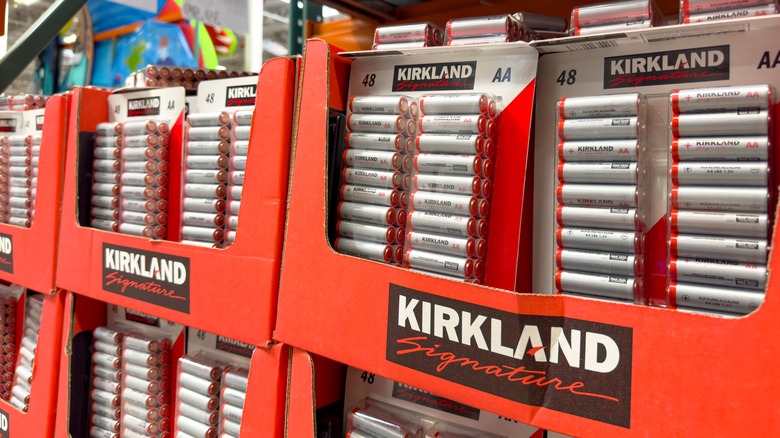
Launched in 1995, Kirkland Signature is not just a private label, it’s arguably one of the most successful consumer brands in America, rivaling and often outperforming established national brands in both quality perception and sales volume.
Key Highlights:
- Trusted Across Categories
- Kirkland products span a wide array of departments, including:
- Olive oil, wines, and coffee
- Diapers and baby wipes
- Vitamins, protein powders, and organic snacks
- Clothing, batteries, household cleaning products
- Many are manufactured by or in partnership with premium brands (e.g., batteries by Duracell, diapers by Kimberly-Clark, coffee by Starbucks).
- Kirkland products span a wide array of departments, including:
- Price Advantage Without Sacrificing Quality
- By eliminating traditional brand marketing and leveraging volume discounts, Costco can offer Kirkland items at 20–30% lower prices than comparable name brands.
- This allows customers to trade down without feeling like they are compromising on quality, creating a value proposition that is unmatched in the industry.
- A Major Driver of Sales
- Kirkland accounts for an estimated ~25% of Costco’s total sales, or over $60 billion annually as of FY2024.
- Its strength enhances Costco’s negotiating leverage with national brands, further reinforcing Costco’s pricing power.
- Customer Trust as a Moat
- Kirkland’s reputation is so strong that for many customers, it’s the default option, particularly in categories like household goods and health supplements.
- This trust reduces price sensitivity, increases repeat purchase behavior, and reinforces overall brand loyalty to Costco.
Together, Costco’s experiential approach to in-store retail and the strength of Kirkland Signature create a flywheel of value:
- Unique and memorable shopping experiences → more frequent visits
- Trusted, low-cost private label products → higher basket sizes
- Deeper customer loyalty → strong membership renewals
- More scale → better supplier terms and margin flexibility
This emotional and functional alignment between fun, value, and trust is incredibly rare in retail and a major reason why Costco continues to thrive in an age dominated by e-commerce and price competition.
Operational Excellence: Streamlined and Disciplined
When asking yourself “should I buy Costco stock?” we must also explore what goes on behind the scenes at the company.
Costco’s secret weapon isn’t just pricing power, it’s operational discipline. The company has engineered a remarkably efficient model that minimizes costs, maximizes turnover, and preserves margins even in inflationary environments.
Key Elements of the Model:
- Limited SKU Count (~4,000 vs. 30,000–50,000+ for competitors):
- Costco carries around 3,800–4,000 active SKUs at any given time.
- By comparison, a Walmart Supercenter may stock over 100,000 items.
- Fewer SKUs enable:
- Higher purchasing volumes per item, unlocking bulk discounts
- Simplified inventory management and faster shelf turnover
- More negotiating power with suppliers
- No-Frills Warehouse Format:
- Stores are bare-bones, emphasizing pallets over polished shelves.
- Costco saves on labor, decor, and store design, passing these savings to the customer.
- Minimal advertising (typically <1% of revenue) reinforces low overhead.

- Lean Labor Model with High Wages:
- Despite its cost discipline, Costco is known for paying above-average retail wages.
- This leads to low employee turnover and better customer service, reinforcing loyalty and reducing training costs.
- Inventory Turnover and Velocity:
- Costco’s inventory turnover ratio consistently exceeds 11x, among the highest in retail.
- This ensures capital is not tied up in unsold goods and reduces spoilage in perishable categories.
Costco runs like a factory more than a store, optimized for speed, precision, and low waste. It’s a disciplined engine that turns scale into shareholder value.
Growing Global Footprint
While Costco’s U.S. base remains its stronghold, international markets represent the company’s next frontier for growth; a core consideration of “Should I Buy Costco Stock?”

Global Expansion Snapshot (as of May 2025):
- Total Warehouses: 905
- United States & Puerto Rico: 627
- Canada: 108
- Mexico: 40
- Japan: 33
- South Korea: 18
- United Kingdom: 29
- Taiwan: 14
- Australia: 16
- Spain: 4
- Iceland: 1
- France: 2
- China: 6
- Sweden: 1 (first store opened in 2024)
Roughly 31% of Costco’s stores are now located outside the U.S., signaling increasing global relevance. The company continues to scout locations in Asia and Europe, where consumer appetite for bulk and value-driven shopping is growing.
Fiscal Performance: Strong First Half of FY2025 Signals Continued Momentum
Costco’s financial results for the first half of fiscal year 2025 underscore the strength and consistency of its business model.
Key Highlights (First 24 Weeks Ending February 18, 2024):
- Net Sales: $134.79 billion — up 6.1% compared to $127.03 billion in the same period last year.
- Membership Fees: $2.36 billion — up 8.3% year-over-year, reflecting continued growth in both memberships and renewal rates.
- Net Income: $2.99 billion — a 23.5% increase over the $2.42 billion recorded during the first half of FY2024. This significant earnings growth demonstrates both margin resilience and tight cost control, despite broader inflationary pressures.
- Comparable Sales (excluding gas & FX):
- U.S.: +4.4%
- Canada: +7.4%
- Other International: +8.5%
- E-commerce Sales (ex-gas & FX): +18.4% — showing accelerating momentum in Costco’s digital channel, after a flat FY2024.
Per-Store Productivity:
Annualized, Costco is on pace to generate over $269 million in net sales per warehouse, consistent with its reputation for maximizing sales per square foot, a key retail metric.
These results reflect Costco’s ability to drive both top-line growth and bottom-line efficiency across geographies.
The robust increase in net income despite modest sales growth points to a well-run, disciplined operation that continues to scale effectively.
Meanwhile, the acceleration in e-commerce and international comparable sales further highlight Costco’s adaptability and strategic positioning in a changing retail landscape.
Strategic Financial Moves:
- Membership Fee Increase: Effective September 1, 2024, Costco raised its annual membership fees in the U.S. and Canada. The Gold Star (individual) and Business memberships increased to $65 per year, while the Executive membership fee rose from $120 to $130.
- This adjustment is expected to contribute an additional $370 million in revenue over the next two years, with $190 million anticipated in fiscal 2025.
- This adjustment is expected to contribute an additional $370 million in revenue over the next two years, with $190 million anticipated in fiscal 2025.
- Special Dividend: In January 2024, Costco distributed a special cash dividend of $15 per share, totaling $6.65 billion, reflecting the company’s strong cash flow and commitment to returning value to shareholders. The company has a history of special dividends once ever ~4 years.
Investment Consideration: Premium Valuation Reflects Premium Execution
Now that we understand what Costco does well, and their financials, we can turn to the question: “Should I Buy Costco Stock?”
Costco is, by nearly every metric, a world-class company. Its enduring success is built on a simple but powerful formula: operational discipline, relentless focus on value, and an exceptionally loyal customer base.
These qualities have translated into outstanding financial results and a reputation as one of the most dependable retailers in the world.
But investors should be clear-eyed: buying Costco today means paying up for excellence.
Valuation Metrics (as of May 2025):
- Price-to-Earnings (P/E) Ratio: ~59x
This is significantly higher than the broader market average (~25x for the S&P 500) and well above competitors like Walmart or Target. Investors are effectively paying a premium for Costco’s consistency, market leadership, and growth potential. - Enterprise Value to EBITDA (EV/EBITDA): ~34.9x
A rich multiple that suggests high expectations for future cash flows, efficient capital allocation, and margin preservation. - Dividend Yield: ~0.48%
With an annual payout of $19.36 per share (including a $15 per share payout in January 2024), the yield is modest, but consistent. Costco has a history of returning capital to shareholders through special dividends, emphasizing its shareholder-friendly nature.
These multiples are far above the average for retail peers (e.g., Walmart trades at ~30x earnings, Target under 20x), and more aligned with high-growth tech companies than traditional retailers. Yet, Costco earns this premium.
Why Costco Deserves Its Premium
Despite the steep valuation, there are compelling reasons Costco that have allowed others to answer ‘yes’ to “Should I Buy Costco Stock?”
- Financial Discipline: First-half FY2025 earnings grew 23.5% YoY, with strong membership growth, margin stability, and improving comps in international and e-commerce channels.
- Resilient Business Model: Membership fees now exceed $2.36 billion for just the first six months of FY25 — offering a predictable, recurring cash flow base. This model is so strong, many innovative companies, including Robinhood, are following the lead of Costco.
- Shareholder Value Creation: Costco has a history of special dividends (last in 2024), rewarding long-term shareholders beyond just quarterly payouts.
- International Upside: With only 31% of warehouses outside the U.S., Costco still has significant runway for global expansion, which can add further earnings leverage over time.
The Catch: Expectations Are Sky-High
Costco’s stock is priced for perfection. At current levels when asking “should I buy Costco Stock?” it’s important to remember that investors are not just buying into Costco’s past, they are betting that:
- The company will continue growing profitably at scale.
- International expansion will be successful and margin-accretive.
- Inflation and competitive pressures won’t erode Costco’s pricing advantage.
- Management will maintain operational discipline and avoid strategic missteps.
In other words, Costco must continue executing nearly flawlessly to justify its valuation. Any hiccup, from a slowdown in membership growth to a misfire in international expansion, could result in multiple compression.
Bottom Line
Costco is a phenomenal business. Its track record, brand equity, customer loyalty, and financial discipline make it one of the most admired companies in retail, and perhaps in all of corporate America.
But this quality comes at a price. Investors must weigh their confidence in Costco’s continued execution against a valuation that leaves little room for error.
For long-term investors seeking stability, consistency, and exposure to global retail growth, Costco remains a compelling, albeit richly valued, opportunity.
Should I Buy Costco Stock? We are long and we encourage you to do your own research.

Celsius Stock Analysis: The Shelf Reset and the Second Growth Curve
Celsius stock analysis of the shelf reset, Alani growth, Pepsi economics and cash flow, with a 2030 model and a Premium valuation and entry-price framework.

Meta AI Spending: The Customer Is Already Here
Can Meta turn AI spending into shareholder returns? We model advertising, Muse, hardware, capital costs and cash flow through 2030, with a full valuation.

IREN Stock Dilution: Can the Build Reach Shareholders?
IREN stock analysis of AI growth, funding and dilution through 2030. Read our full valuation, 27 scenarios and price zones free. Excel model is Premium.
Northwise Portfolios
See how the research becomes real decisions
Reader discussion
Discuss the research
Create a Free account to join the discussion with a display name.
Create a Free Account
No comments yet. Start a thoughtful discussion.