
TLRY Stock

TLRY stock analysis exploring Tilray’s cannabis, alcohol, and international strategy, the impact of Schedule III reform, and long term positioning.
In this article
TLRY Stock: The Real Tilray Thesis Behind Cannabis, Alcohol, and Regulatory Optionality
An institutional deep dive into Tilray’s evolution from a Canadian LP into a diversified CPG conglomerate, and the regulatory, geopolitical, and operational catalysts now driving TLRY’s resurgence across cannabis, alcohol, wellness, and Schedule III policy reform.
What Investors Get Wrong About TLRY Stock
Tilray continues to be labeled as a cannabis company even though the business today operates far beyond that definition. Investors often view TLRY through the lens of early LP exuberance, impaired assets, and Canadian market stagnation. That framing is no longer accurate.

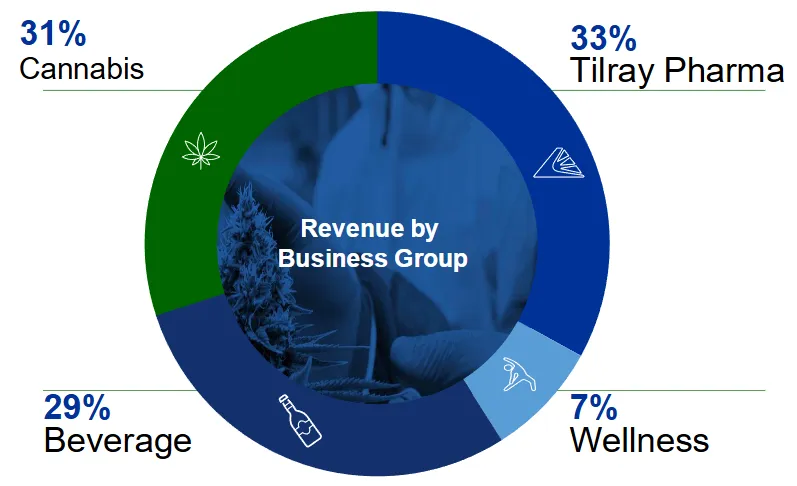
Tilray has rebuilt itself into a diversified CPG operator with exposure to cannabis, beverage alcohol, and hemp based wellness foods. These segments behave differently from one another and collectively create a more resilient business profile.
The recent surge in TLRY stock reflects a shift in U.S. regulatory expectations. The administration’s accelerated effort to move cannabis to Schedule III has changed the way the market values optionality in the sector. Tilray has positioned itself for this moment through a strategy that favors infrastructure, distribution, and global reach rather than narrow category exposure.
What Is TLRY Stock
TLRY stock represents equity in a company that operates across three regulated industries. This structure creates a business model that is more diversified and less vulnerable to single market failure.
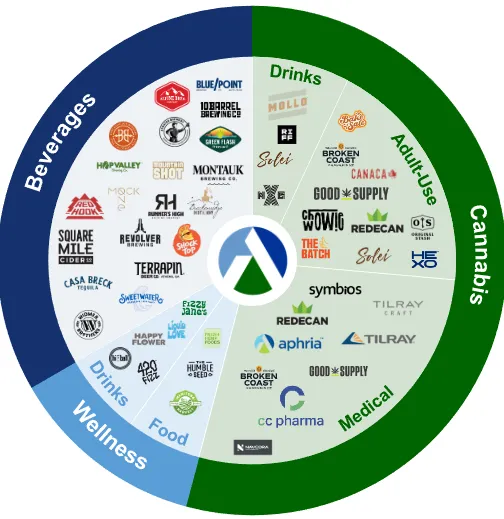
Tilray’s core segments are:
- Cannabis with operations in Canada and Europe.
- Alcohol with a scaled U.S. craft brewing platform.
- Wellness centered on Manitoba Harvest and its dominant position in hemp foods.
This combination distinguishes TLRY from both U.S. operators and Canadian LPs. The company does not pay 280E, maintains a NASDAQ listing, and derives meaningful revenue outside of cannabis. These differences shape the long term investment profile of TLRY stock.
Tilray’s CPG Reinvention and the Shift Toward Diversification
The pivot into beverage alcohol was Tilray’s response to the structural limitations of the Canadian cannabis market. High taxes, province controlled distribution, and declining wholesale prices made long term profitability difficult.
Alcohol provided a way to stabilize revenue and gain access to scalable manufacturing and distribution networks. Tilray’s acquisitions built a national presence in the U.S. beverage market. This is strategically relevant because THC beverages are expected to become a major category once regulations allow.
Tilray positioned itself to participate in this category before federal reform rather than after it.
The Alcohol Platform and Its Strategic Importance
Tilray now owns one of the largest craft brewing portfolios in the United States. This platform faces category headwinds yet its strategic value is unchanged. The alcohol business provides cash flow and a distribution infrastructure that competitors do not possess.
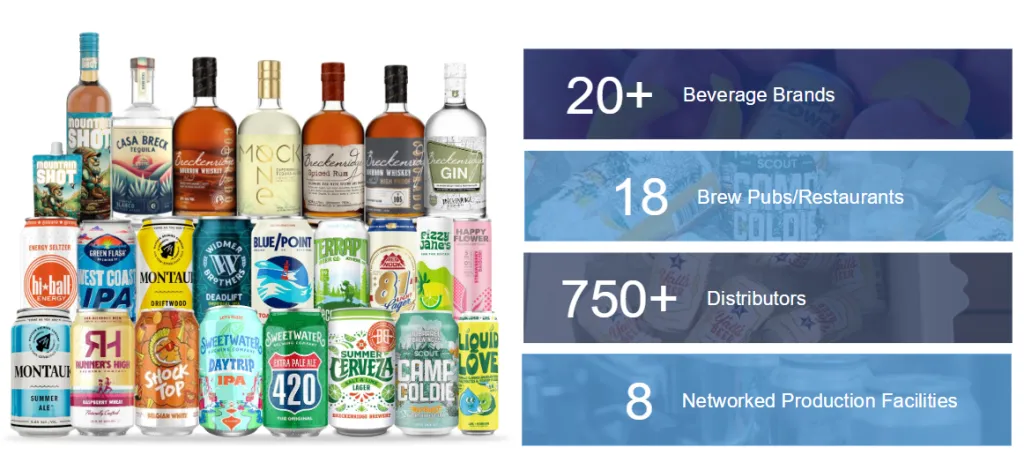
Key points include:
- Margins declined from 53 percent to 38 percent due to broader craft beer softness.
- Project 420 has generated roughly 24 million dollars of synergy savings.
- Alcohol assets align directly with future THC beverage manufacturing.
This platform is the foundation of Tilray’s U.S. operating strategy. It stabilizes the business and enhances optionality as regulations evolve.
The U.S. Policy Shift and the Repricing of Cannabis Assets
The administration’s push toward Schedule III has meaningful implications for the sector. The reclassification removes Section 280E and normalizes the tax burden for U.S. cannabis operators. This improves cash flow, reduces borrowing costs, and makes the industry more investable.
Impacts of Schedule III include:
- Lower effective tax rates for U.S. operators.
- Greater access to banking and institutional capital.
- Increased acquisition activity through normalized financials.
- Repricing of sector risk premiums.
Tilray benefits indirectly. It has no 280E exposure yet maintains U.S. operational infrastructure through its alcohol platform. If the U.S. market becomes more accessible, Tilray can participate through acquisitions or partnerships in ways that were previously restricted.
The recent rally in TLRY stock reflects a repricing of regulatory probability. It is not driven by momentum. It is driven by the recognition that the regulatory environment is finally evolving toward the world Tilray has been preparing for.
Delta 9 Beverages and Tilray’s Early Market Intelligence
Tilray’s hemp derived Delta 9 beverages allow the company to study consumer behavior in an emerging category. Revenues are modest but the value lies in the insights that guide future THC beverage strategy.
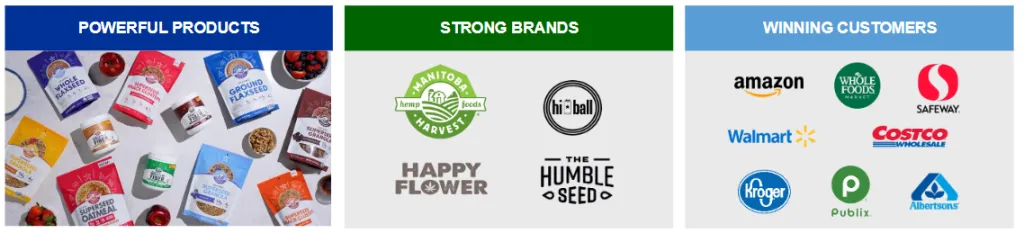
This initiative provides Tilray with data on:
- Flavor profiles that resonate with consumers.
- Preferred formats and dosing ranges.
- Retailer willingness to stock emerging product categories.
- Packaging and branding response.
Some states have restricted hemp intoxicants while others permit them. Regardless of the regulatory inconsistency Tilray is learning how THC beverages behave in a commercial context long before federal permissibility arrives.
Germany’s MedCanG Acceleration and Tilray’s Cultivation Advantage
Germany has become the largest and most promising medical cannabis market in Europe. Removing cannabis from the country’s narcotics list simplified prescribing and increased patient access. Tilray benefits materially from this transition.
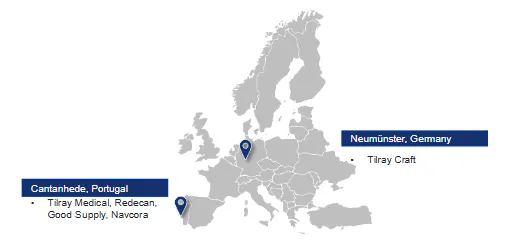
The company’s advantages include:
- One of the three domestic cultivation licenses.
- First mover status with expanded cultivation authorization.
- Ability to supply pharmaceutical grade cannabis at premium pricing.
- Reduced reliance on imported product flows.
Germany’s trajectory aligns with Tilray’s international strategy and reinforces the company’s position as a leading supplier in regulated medical markets.
CC Pharma and Tilray’s Distribution Infrastructure in Europe
CC Pharma distributes pharmaceutical products to roughly 13,000 German pharmacies. The margins are modest yet the strategic relevance is substantial. Distribution is often a bottleneck in Europe and Tilray controls more of the value chain than many competitors.
Benefits of CC Pharma include:
- Control over logistics and delivery timelines.
- Ability to capture distributor level margin.
- Infrastructure that supports increased medical demand.
- Reduced dependence on external partners.
This network will become more valuable as the German market expands and patient volumes rise.
Canadian Operations and the Realities of a Saturated Market
Canada remains a core contributor to Tilray’s cannabis revenue. The company maintains leading market share in flower, oils, concentrates, beverages, and pre rolls. The infused pre roll category has become one of the most dynamic segments and Tilray remains competitive through its Redecan brand.

The challenge remains the excise tax structure. Taxes reduce revenue materially and create pressure on margins. Tilray mitigates this through international exports and higher margin derivative products.
Canada is stable but not a growth driver. It provides consistency and supports the broader operating platform.
Competitive Landscape and Tilray’s Position Within the Sector
Tilray occupies a distinct position among cannabis operators. Canadian LPs such as Canopy and Aurora have retrenched significantly due to debt burdens and limited diversification. U.S. MSOs have better unit economics but face regulatory barriers and high tax burdens.
Tilray’s competitive advantages include:
- A broader international footprint than most operators.
- A scaled alcohol platform unavailable to peers.
- A stronger balance sheet relative to companies that overextended.
- Exposure to adjacent wellness categories that align with future CPG trends.
This positioning gives Tilray a combination of defensive stability and regulatory dependent upside.
Long Term Industry Positioning and the Future of Cannabis
Cannabis is transitioning from a fragmented set of local markets into a regulated consumer goods category. Early signs of this shift are visible in the expansion of medical programs in Europe and the emergence of THC beverages.
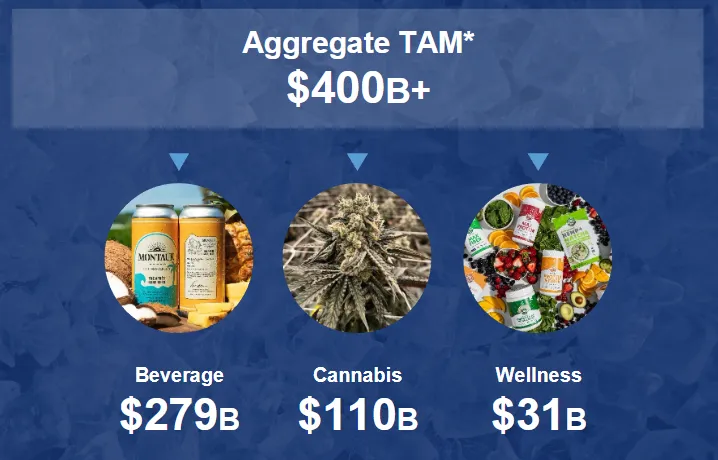
Long term trends relevant to Tilray include:
- Continued patient growth in international medical markets.
- Rising acceptance of beverages and other alternative formats.
- Increasing interest from global CPG companies in cannabinoid based products.
- Consolidation among operators with weaker balance sheets.
Tilray’s operating model is aligned with these structural changes rather than speculative hopes of rapid legalization.
Tilray’s Share Structure, Reverse Split, and Institutional Dynamics
Tilray’s share structure influences trading behavior and investor perception. The reverse split restored NASDAQ compliance and improved institutional accessibility. It did not change the intrinsic economics of the company yet it altered the trading environment.
Key considerations include:
- A relatively large float that amplifies volatility.
- Meaningful short interest that moves sharply during policy catalysts.
- A dilution history that continues to shape investor sentiment.
- Improved capital discipline over the last fiscal cycles.
Understanding TLRY requires acknowledging this dynamic. The share structure affects the magnitude of price movements, particularly in response to regulatory news.
Scenario Analysis Across Regulatory Regimes
Tilray’s long term profile is best evaluated through regulatory driven scenarios.
Scenario A involves the completion of Schedule III without broader reform. Tilray benefits from improved sector sentiment but remains limited in direct U.S. cannabis participation.
Scenario B includes Schedule III and progress on banking access. This opens pathways to acquisitions that were previously unattainable.
Scenario C features rapid international expansion, particularly in Germany. Tilray becomes a primary supplier across Europe.
Scenario D involves prolonged stagnation. The alcohol and wellness segments support stability while cannabis gradually consolidates.
These scenarios provide structure for understanding potential outcomes without relying on formal price targets.
Management Quality, Governance, and Capital Allocation
Management has been both a source of strength and a source of investor concern. Irwin Simon pursued several acquisitions during the early cannabis cycle that resulted in significant impairments. These legacy decisions influence the company’s current reputation.

More recent behavior reflects greater discipline. Tilray has focused on cost control, integration, and acquisitions within categories that exhibit durable economics. Executive compensation remains debated but the company has demonstrated improved operational consistency.
Management’s record contains missteps yet also demonstrates the foresight required to build a diversified operator in a volatile industry.
Impairments, Dilution, and the Reconstruction of the Balance Sheet
Tilray recorded more than 1.3 billion dollars in impairment charges in FY2025 tied to earlier acquisitions. These impairments matter because they reflect the cost of prior strategic decisions and provide insight into the valuation excesses that occurred during the early LP era.
The current balance sheet is materially healthier. Tilray holds more than 260 million dollars in cash and carries limited net debt. Dilution risk is present but more controlled than in previous cycles. The company now operates with a financial foundation that supports selective expansion rather than forced retrenchment.
Understanding Free Cash Flow and Operational Stability
Adjusted EBITDA provides a directional sense of operational improvements. It does not reflect the full economic picture due to adjustments related to stock based compensation, integration costs, and restructuring expenses.
Free cash flow offers a clearer perspective. While Tilray generated negative free cash flow in FY2025, early FY2026 results show progress as cost reductions begin to flow through operations. The company is not yet a consistent free cash flow generator but is moving toward greater operational discipline.
Is TLRY Stock Overvalued
TLRY does not fit neatly into traditional valuation frameworks. The company does not trade on predictable earnings or standard multiples. It trades on the value of its infrastructure, its diversified segments, and the regulatory timing that shapes its addressable markets.
At current prices TLRY is not materially overvalued or undervalued. It is a conditional asset whose true value will emerge as regulatory and international market conditions evolve.
Lessons From MedMen and Tilray’s Revised U.S. Strategy
Tilray’s investment in MedMen revealed the risks associated with distressed U.S. operators. The company’s exposure resulted in a full write down and provided insight into the limited value of acquiring troubled retail footprints.
Today Tilray favors federally legal assets with stable economics. The alcohol platform exemplifies this shift in strategy. The company has demonstrated a more measured approach to capital deployment.
Tilray’s Positioning in a Post 280E Landscape
If the U.S. market becomes accessible to Canadian LPs, Tilray is among the best positioned operators. It has scalable manufacturing assets, national distribution relationships, a significant cash position, and experience operating within multiple regulated categories.
In an environment with normalized tax burdens the companies with infrastructure and liquidity will be positioned to scale first. Tilray has spent several years preparing for this environment.
Is TLRY Stock a Buy
TLRY is appropriate for investors who understand that its value depends on regulatory progression rather than near term earnings. Those who believe in the expansion of Germany’s medical market, the emergence of THC beverages, and the eventual normalization of U.S. cannabis policy will find that Tilray’s positioning aligns with these trends.
Investors seeking predictable cash flow or limited volatility may not find TLRY suitable. The stock requires patience and a willingness to navigate periods of regulatory uncertainty.
The Northwise View on TLRY
Tilray is one of the most structurally interesting companies in the global cannabis and consumer goods landscape. Its diversified operating base, international footprint, and infrastructure oriented strategy differentiate it from competitors across both cannabis and traditional CPG categories. Its balance sheet is stronger than its narrative and its long term positioning reflects a sophisticated understanding of industry evolution.
TLRY is not a simple growth or value story. It is a long duration regulatory thesis supported by real infrastructure and a diversified operating model. Investors who understand the complexity of this transition will recognize that Tilray is positioned for opportunities that extend well beyond the current cycle.

Celsius Stock Analysis: The Shelf Reset and the Second Growth Curve
Celsius stock analysis of the shelf reset, Alani growth, Pepsi economics and cash flow, with a 2030 model and a Premium valuation and entry-price framework.

Meta AI Spending: The Customer Is Already Here
Can Meta turn AI spending into shareholder returns? We model advertising, Muse, hardware, capital costs and cash flow through 2030, with a full valuation.

IREN Stock Dilution: Can the Build Reach Shareholders?
IREN stock analysis of AI growth, funding and dilution through 2030. Read our full valuation, 27 scenarios and price zones free. Excel model is Premium.
Northwise Portfolios
See how the research becomes real decisions
Reader discussion
Discuss the research
Create a Free account to join the discussion with a display name.
Create a Free Account
No comments yet. Start a thoughtful discussion.