
The Psychology of Money Book Reflection
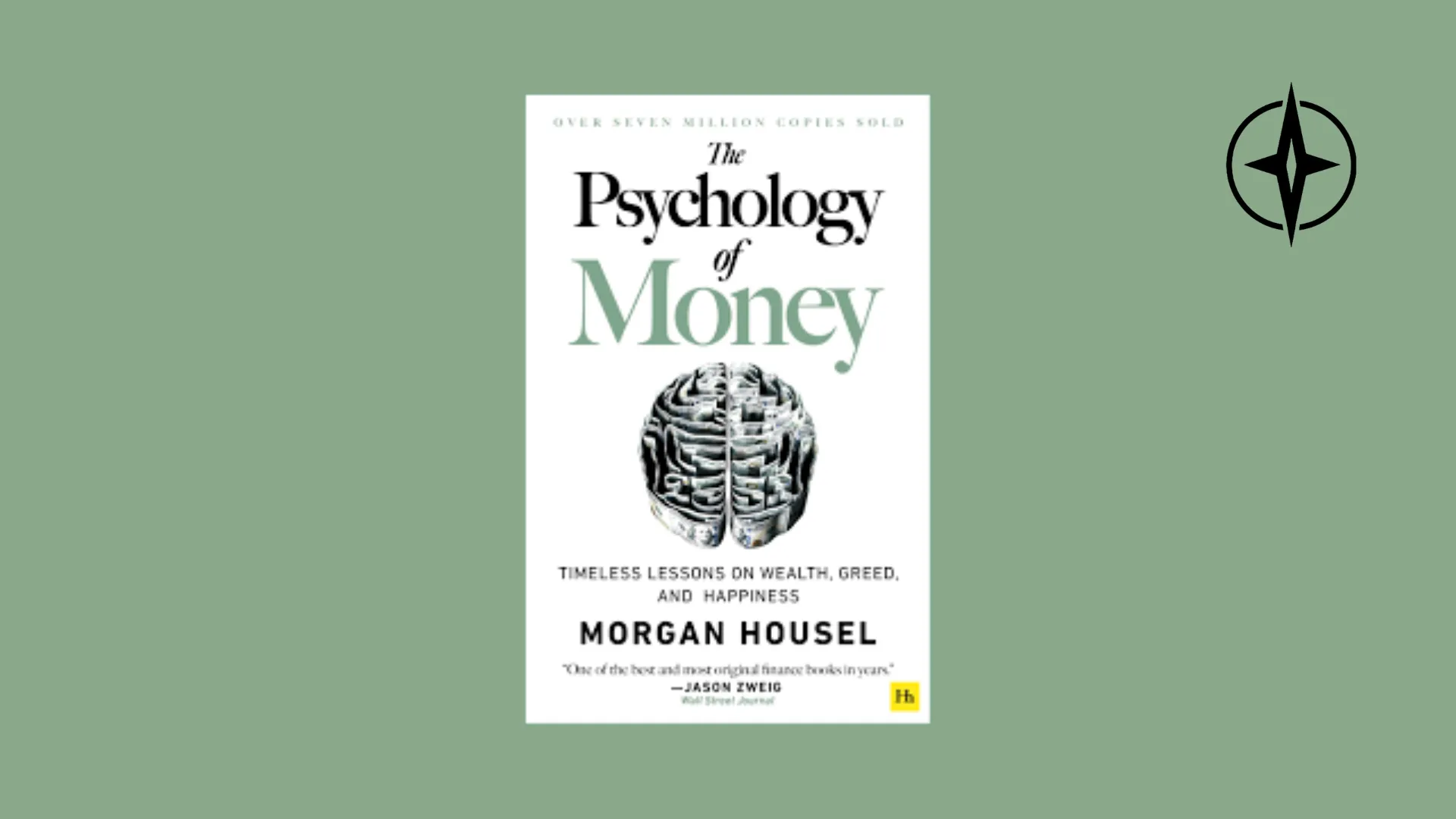
The Psychology of Money book reflection on behavior, time, and trust, and why these ideas shape how we invest and build at Northwise.
In this article
The Psychology of Money Book Reflection: Lessons That Stick
Why behavior is the real foundation of wealth – and what it means for how we invest, build, and show up long term.
Why This Book Matters
We picked up The Psychology of Money because we wanted to better understand the invisible forces behind how people think about wealth. Not the technical stuff, the spreadsheets and strategies, but the human part: emotion, fear, patience, status, and survival.
The way money shapes our decisions, our relationships, and our capacity to live intentionally, that’s where the real insight lies.
And Morgan Housel delivers. What makes this book so valuable isn’t just that it’s wise, it’s that it’s timeless. The central lesson is simple: doing well with money has less to do with what you know and more to do with how you behave.
That’s a truth we’ve seen play out again and again, across markets, across life stages, and across people with wildly different backgrounds. Intelligence alone doesn’t win. Temperament does.
Wealth, Time, and Freedom
One key idea that stuck with us is this: the highest form of wealth is the ability to control your time. That idea reshaped how we think about risk, planning, and why we care about building flexible, sustainable structures, not just portfolios.
It also reminded us why we’re so focused on designing systems that align with people’s real lives, not just financial theory. Because at the end of the day, wealth isn’t about beating benchmarks, it’s about having the freedom to move, rest, and choose with intention.
Why Behavior Beats Knowledge
Another insight we’ve carried forward is how people’s experiences with money, good or bad, form the foundation of their beliefs. Two people can live through the same market and walk away with entirely different lessons.
That’s why financial advice can’t be one-size-fits-all. Housel reminds us that context, emotion, and history matter. Which is why we spend as much time understanding people’s stories as we do modeling outcomes.
Connecting It to Our Work
We saw a direct application of these ideas recently while writing our Robinhood stock thesis. Robinhood is often dismissed as a speculative playground, but when you look deeper, it’s quietly becoming a system people trust to manage their financial lives.
That trust, even if it’s unconscious, is a behavioral signal. It’s not just about which platform has the best rates or features. It’s about who builds something that feels intuitive, honest, and in sync with how people actually move through the world. Behavior isn’t just something to study, it’s something to build for.
That insight has shaped how we evaluate companies, how we write investment theses, and how we think about alignment in our own financial lives.
It’s not just about finding good bets, it’s about understanding what people will actually stick with, trust, and use over time. And it’s why emotional awareness and self-discipline are some of the most valuable tools any investor can develop.
Final Thoughts
Housel’s writing sharpens our lens. It reinforces our conviction that the best financial decisions, whether personal or professional, come from alignment, patience, and emotional self-awareness. And that’s exactly what we’re trying to build here at Northwise.
Systems that help people see clearly, move intentionally, and hold their ground when the world gets loud.
If you haven’t read The Psychology of Money, we highly recommend it. It’s not just a book about money. It’s a book about how to live with more clarity. And if you have read it, it’s worth revisiting, especially when you find yourself over-optimizing, second-guessing, or chasing certainty in uncertain times.
This is not investment advice. Just reflection.

Celsius Stock Analysis: The Shelf Reset and the Second Growth Curve
Celsius stock analysis of the shelf reset, Alani growth, Pepsi economics and cash flow, with a 2030 model and a Premium valuation and entry-price framework.

Meta AI Spending: The Customer Is Already Here
Can Meta turn AI spending into shareholder returns? We model advertising, Muse, hardware, capital costs and cash flow through 2030, with a full valuation.

IREN Stock Dilution: Can the Build Reach Shareholders?
IREN stock analysis of AI growth, funding and dilution through 2030. Read our full valuation, 27 scenarios and price zones free. Excel model is Premium.
Northwise Portfolios
See how the research becomes real decisions
Reader discussion
Discuss the research
Create a Free account to join the discussion with a display name.
Create a Free Account
No comments yet. Start a thoughtful discussion.