
Lemonade Stock Buy or Sell?

Lemonade stock buy or sell? We break down Q1 2025 results, risks, and why it’s on our watchlist but not a buy yet. It's a prove it year for Lemonade.
In this article
Lemonade Stock Buy or Sell: Why We’re Watching, Not Chasing
A turnaround might be forming, but the evidence isn’t strong enough to jump in. Here’s why it’s a high-conviction watch, not a buy.
From Cautionary Tale to Conditional Interest
Lemonade came public in 2020 as the poster child for tech-enabled insurance. The stock soared on narrative, not fundamentals. Loss ratios were poor, cash burn was aggressive, and the company overpromised what software could deliver in a sector dominated by underwriting discipline and scale. By late 2023, most public market participants had written Lemonade off as a well-branded, overfunded experiment.
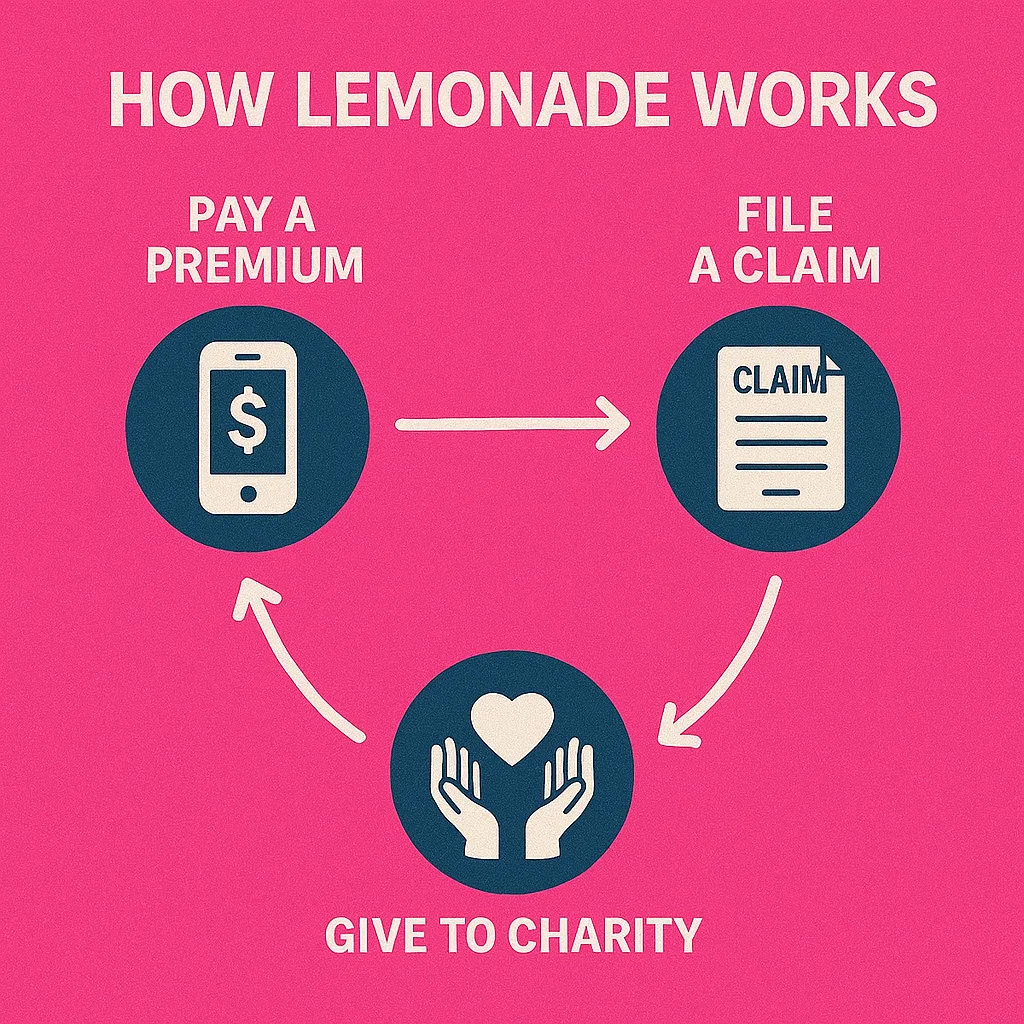
But Q1 2025 offered something different. Beneath adjusted metrics and cautious language, there were signs of improving operating quality. This is not yet a clear buy signal. But it is a reason to start watching more closely.
Core Bull Signals Worth Tracking
While Lemonade has historically underdelivered on its disruptive promise, a few encouraging developments from Q1 2025 suggest the possibility of an inflection point for the company. These signals don’t yet warrant conviction, but they provide the groundwork for a potential re-rating if confirmed by real operational progress in coming quarters.
Underwriting May Finally Be Improving
Lemonade’s Q1 gross loss ratio of 78 percent was accompanied by management commentary that suggested an adjusted figure of 59 percent, excluding California wildfire impacts. This would represent the most favorable underwriting performance in the company’s history. That claim deserves attention, but also skepticism.

Investors should focus on what the next few quarters can reveal. Reported loss ratios, not adjusted estimates, will determine the company’s ability to price risk competitively and build insurance economics that hold up in volatile environments.
Key considerations going forward:
- Management’s adjusted 59 percent loss ratio claim is directionally positive, but it remains unaudited and requires validation through actual performance.
- A clean, sub-65 percent loss ratio in the next two quarters would represent a real shift, especially if achieved without one-off exclusions.
- Evidence of stability across geographies and products will matter more than a single outlier result.
If underwriting performance can meaningfully improve on a reported basis, it would begin to validate Lemonade’s model and reopen the door to sustainable growth at scale. Until then, optimism needs to be tempered by the history of variability and adjustments.
Product Expansion is Real
Lemonade’s product expansion is no longer theoretical. The company has transitioned from a narrow renters-only offering to a multi-line platform that includes homeowners, auto, pet, and life insurance.

While early launches were often met with operational inefficiencies and low penetration, Q1 2025 marked a meaningful milestone: auto insurance surpassed renters in in-force premium, signaling growing traction in more durable, higher-value verticals.
This expansion is important because:
- Multi-line platforms allow for bundling and increased customer lifetime value, especially in categories like home and auto where premiums are larger and stickier.
- Renters insurance has limited economics, both in pricing power and retention, while auto and homeowners offer better underwriting potential and higher barriers to entry.
- Cross-sell effectiveness could be a lead indicator of long-term margin upside, assuming acquisition cost discipline is maintained.
The challenge now is to prove that Lemonade can manage these lines with the same underwriting discipline and operational rigor required by incumbents. The opportunity exists, but execution remains the question.
IFP and Cash Position Offer Breathing Room
As of Q1 2025, Lemonade reported over one billion dollars in in-force premium and a comparable amount in cash and short-term investments. While the company remains unprofitable, its balance sheet provides time.
This cash position, relative to its burn rate, gives the company at least six to eight quarters of operational runway before needing to reenter the capital markets.
This matters for several reasons:
- The market environment for dilutive capital raises remains uncertain, particularly for high-growth names with no path to near-term profitability.
- Reinsurance counterparties value capital stability, especially for younger firms with limited underwriting history.
- Having financial flexibility allows Lemonade to continue scaling auto and homeowners, segments that may require elevated acquisition and servicing costs upfront.
However, this runway is not indefinite. Without tangible movement toward breakeven or clear margin leverage, the market will eventually reapply pressure. Cash allows for time, not immunity from scrutiny.
Core Bear Risks That Still Dominate
Despite early signals of progress, Lemonade remains encumbered by fundamental structural weaknesses. These risks are not new, but they remain unresolved and central to any evaluation of the business as a long-term investment opportunity.
Loss Ratios Are Still Above Industry Norms
Lemonade’s underwriting performance remains the most critical input to the investment debate. While management suggests that adjusting for wildfire events would have yielded a 59 percent loss ratio in Q1, the actual reported figure stands at 78 percent. This discrepancy matters. Adjusted numbers can offer insight into trajectory, but capital markets and counterparties respond to actual results, not hypotheticals.
The trailing twelve-month gross loss ratio remains elevated at 73 percent. For context:
- Progressive and other leading underwriters typically operate near or just under 60 percent, and do so without the need to strip out adverse events.
- Lemonade has yet to deliver a single unadjusted quarter below 65 percent, the level many consider a threshold for economic viability in personal lines insurance.
- Reinsurance pricing and counterparty confidence are tied to reported loss experience. Repeated adjustments may delay but do not eliminate eventual pricing consequences.
Until Lemonade can demonstrate that reported results are improving in a sustained and replicable manner, the core economic engine behind the business remains untested. Underwriting is not optional in insurance. It is the product.
Customer Acquisition Remains Expensive
Lemonade increased growth-related operating expenses by over 90 percent in Q1. That magnitude of spend is difficult to justify without a corresponding improvement in customer lifetime value or marketing efficiency.
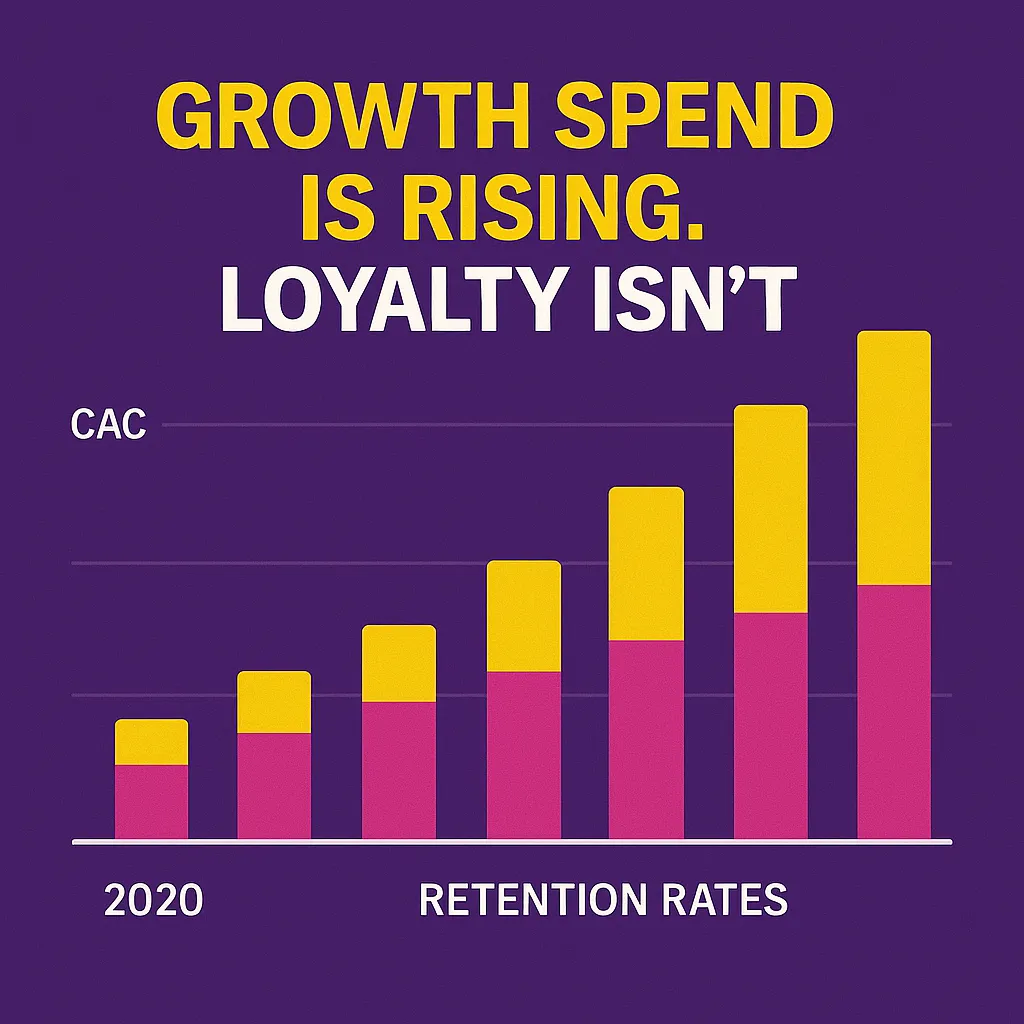
In categories such as auto and homeowners, where the company is now focusing its growth, acquisition costs are inherently higher due to more complex underwriting, regulatory requirements, and entrenched incumbents.
The current spending trajectory suggests Lemonade has not yet built scalable acquisition channels or brand awareness that lowers marginal cost over time. If the business cannot acquire and retain customers more efficiently, any future operating leverage will be undermined by rising front-end costs.
No Demonstrated Margin Leverage Yet
The company reported a net loss of 62.4 million dollars in Q1, up from 47.3 million dollars a year earlier. Adjusted EBITDA losses also worsened. Despite a growing premium base and signs of underwriting improvement, the company has not demonstrated meaningful cost control relative to top-line expansion.
For margin leverage to materialize, expenses must grow at a slower rate than in-force premium and earned revenue. Instead, we are seeing rising losses tied to an expanding operating structure that has yet to deliver economies of scale. This makes the pathway to profitability more fragile, especially in a capital-intensive industry.
Telematics and Data Are Not a Competitive Moat
Lemonade frequently emphasizes its use of real-time behavioral data and telematics to inform pricing and risk segmentation. While technically differentiating on the surface, these capabilities are not proprietary in the broader context of the insurance industry.

Major competitors have long operated large-scale telematics programs and possess actuarial databases that far exceed Lemonade’s in both depth and historical richness.
Moreover, there is limited disclosure showing how Lemonade’s data usage results in superior underwriting outcomes or retention metrics. The absence of proven outperformance in core insurance metrics limits the argument that its data infrastructure confers a defensible moat. Technology may enhance efficiency, but without clear economic returns, it is not yet a competitive advantage.
Lemonade Stock Buy or Sell?
At 44 dollars per share, Lemonade is up more than 20 percent year-to-date and nearly 100 percent off its 2024 lows. Most of that move occurred prior to the Q1 earnings release. Investors are no longer being paid to take early risk. They are now paying for future execution.

The recent quarter provided signals of improvement, not proof of a turnaround. The company’s adjusted figures suggest progress, but the GAAP numbers still show material loss, margin compression, and operational inefficiency. Until those gaps close with consistency, the story remains speculative.
Two clean quarters with reported loss ratios under 65 percent, improved contribution margins, and stable expense growth would materially change the investment profile. Until that occurs, discipline is essential.
What We’re Watching Going Forward
There are clear indicators that would validate the early signs seen in Q1 and move Lemonade into a more investable category. We are not looking for perfection, but for confirmation that the directionality suggested by adjusted metrics is starting to show up in the reported numbers. These are the signals that would shift our posture from watchlist to active interest:
- Reported gross loss ratio below 65 percent for two consecutive quarters. This would signal sustained underwriting improvement, rather than an isolated event or selective adjustment.
- Sequential improvement in adjusted EBITDA. Positive trends here would reflect real cost discipline and improving contribution margins.
- Customer growth that decouples from disproportionate marketing spend. If the company can grow without another 90 percent increase in growth-related costs, that would indicate rising brand equity or greater channel efficiency.
- Improving contribution margins in the auto segment. With auto now the largest part of the premium base, profitability in this line becomes central to the broader model.
- Stronger retention and cross-sell across the product suite. Better lifetime value metrics and product density would signal maturing customer economics and reduced churn risk.
We’re tracking these metrics not in isolation, but as part of a broader framework for assessing operating quality and a real competitive advantage over industry incumbents. Until they align, we remain on the sidelines.

Celsius Stock Analysis: The Shelf Reset and the Second Growth Curve
Celsius stock analysis of the shelf reset, Alani growth, Pepsi economics and cash flow, with a 2030 model and a Premium valuation and entry-price framework.

Meta AI Spending: The Customer Is Already Here
Can Meta turn AI spending into shareholder returns? We model advertising, Muse, hardware, capital costs and cash flow through 2030, with a full valuation.

IREN Stock Dilution: Can the Build Reach Shareholders?
IREN stock analysis of AI growth, funding and dilution through 2030. Read our full valuation, 27 scenarios and price zones free. Excel model is Premium.
Northwise Portfolios
See how the research becomes real decisions
Reader discussion
Discuss the research
Create a Free account to join the discussion with a display name.
Create a Free Account
No comments yet. Start a thoughtful discussion.