
KEEL Panther Creek
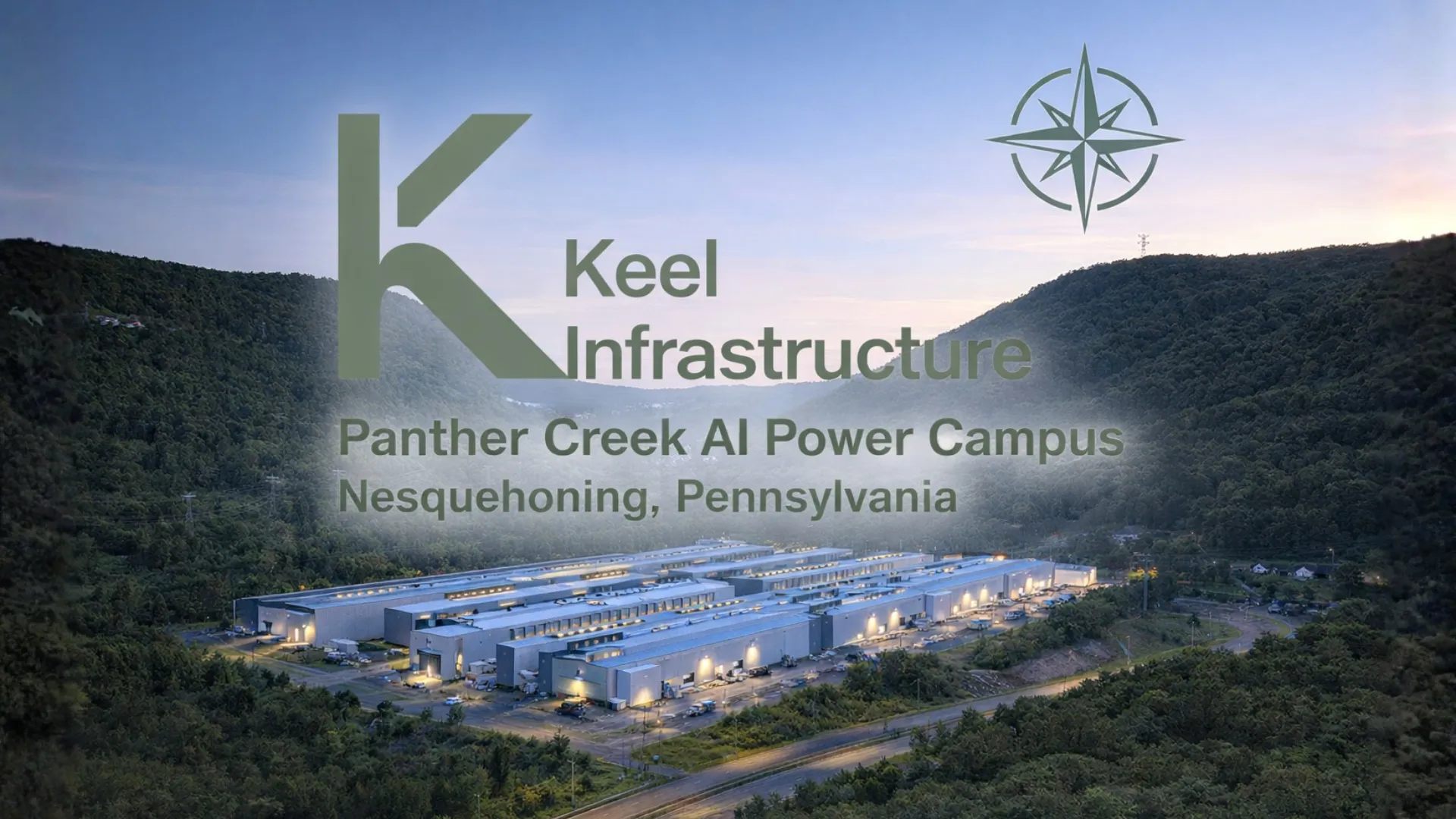
Panther Creek: the 350 MW gross campus plan, legacy generation, current approvals and the remaining delivery milestones.
In this article
Panther Creek is Keel's flagship Pennsylvania development, with a 350 MW gross campus plan and an earliest ready-for-service year of 2027. The legacy generating asset and the proposed AI campus are different parts of the story. Existing electricity generation does not mean that a completed high-performance computing facility is already serving customers.
The August materials report zoning and conditional land-development approval, with environmental permits progressing. Those approvals move the project forward while leaving construction, electrical delivery and commercial execution to be completed.
Explore the Keel Data Center Tracker for the location and wider portfolio. The new Keel model report separately evaluates how development timing and financing affect the financial case.
The current campus definition
Keel's Q2 presentation describes Panther Creek as 350 MW gross on 336 acres. It retains the 2027 earliest service year and identifies the development as a priority site. A potential future increase is a separate expansion possibility, not additional capacity to count as already delivered. Keel Q2 presentation.
The gross capacity figure includes the electrical envelope of the facility. It should not be relabelled as billable IT capacity without the final design and contract. That distinction matters when comparing the site with peers that quote critical IT load.
The legacy operating base has changed
The Q2 filing states that mining at Panther Creek ceased on June 29. It separately describes approximately 60 MW gross of energized legacy capacity and continued energy sales while the site is evaluated and developed for HPC. The existing capacity was not covered by an electric supply agreement as of August 7. Keel Q2 Form 10-Q.
Those facts should not be combined into a claim that 60 MW of customer-ready AI infrastructure is operating. Generation, power supply arrangements, completed halls and computing equipment each require their own evidence.
Approvals and procurement reduce different risks
Zoning determines whether the proposed use fits the local framework. Land-development conditions and environmental permits address other aspects of the physical project. None alone proves that a building is complete or a customer can move in.
Keel's August update also describes progress on fiber contracts and designs across its priority sites. Connectivity and density are important, but the final tenant specification still determines what must be delivered. Keel Q2 operating update.
The earlier article's specific accelerator configurations and assumptions about customer workloads are not carried forward as installed facts. The site can be designed for demanding AI use without a confirmed public inventory of the eventual tenant's equipment.
What would change the assessment
A signed lease would establish a counterparty and a defined delivery obligation. Utility milestones, completed buildings and customer acceptance would then show whether the development is meeting that obligation. The order matters because costs can accumulate before rent begins.
Panther Creek offers substantial development potential, but its present evidence is a partially permitted project with a defined gross-capacity plan. The Keel company page connects the site with the wider portfolio research. Reviewed through September 17, 2026.
KEEL Stock Forecast 2030: The Price of Patience
KEEL’s 2030 forecast follows five AI infrastructure sites through construction, tenant acceptance, debt, dilution and the cash left for shareholders.
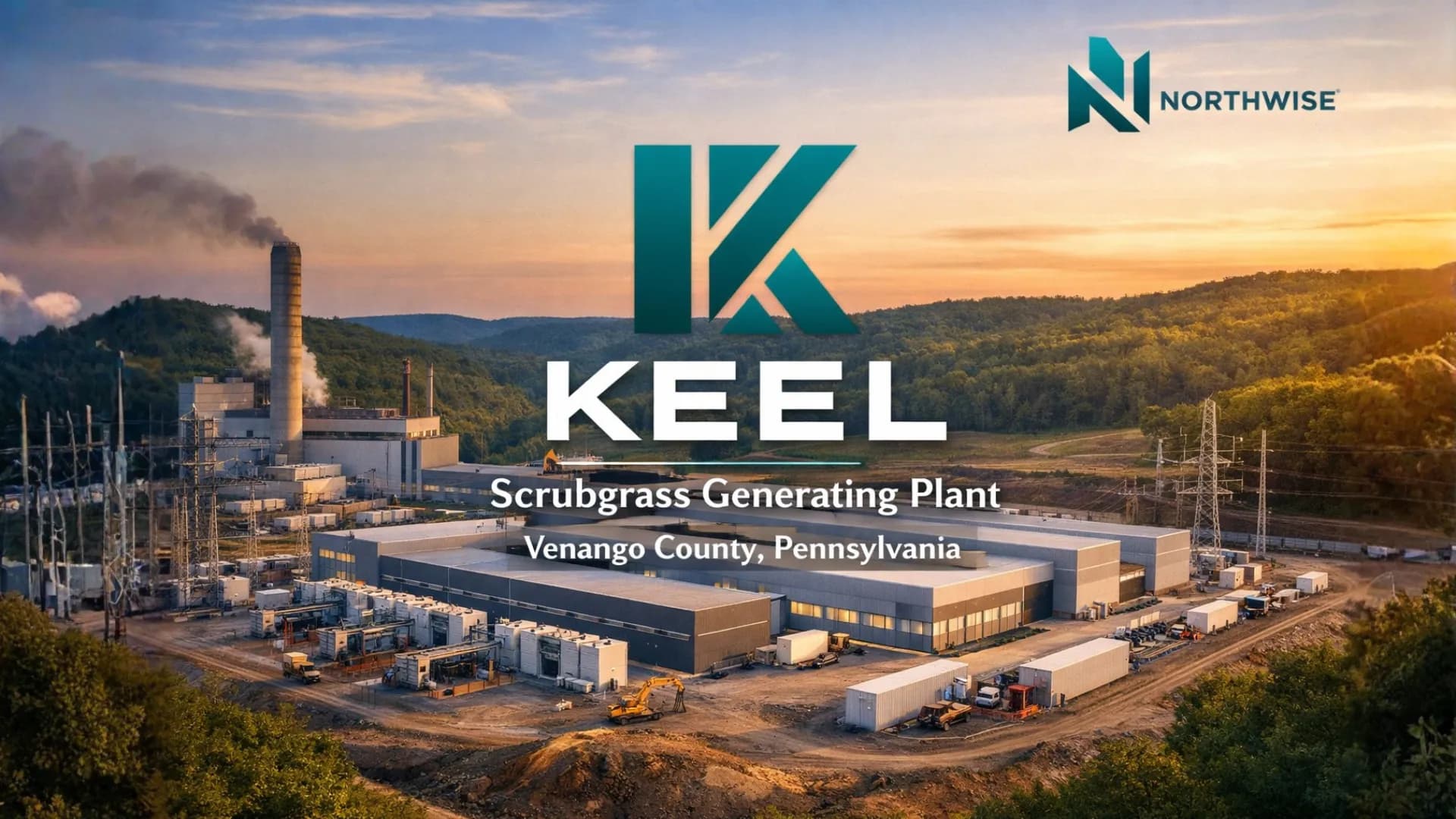
KEEL Scrubgrass Site Analysis
Scrubgrass: legacy generation, the potential 1.3 GW campus and the power, environmental and commercial work still required.
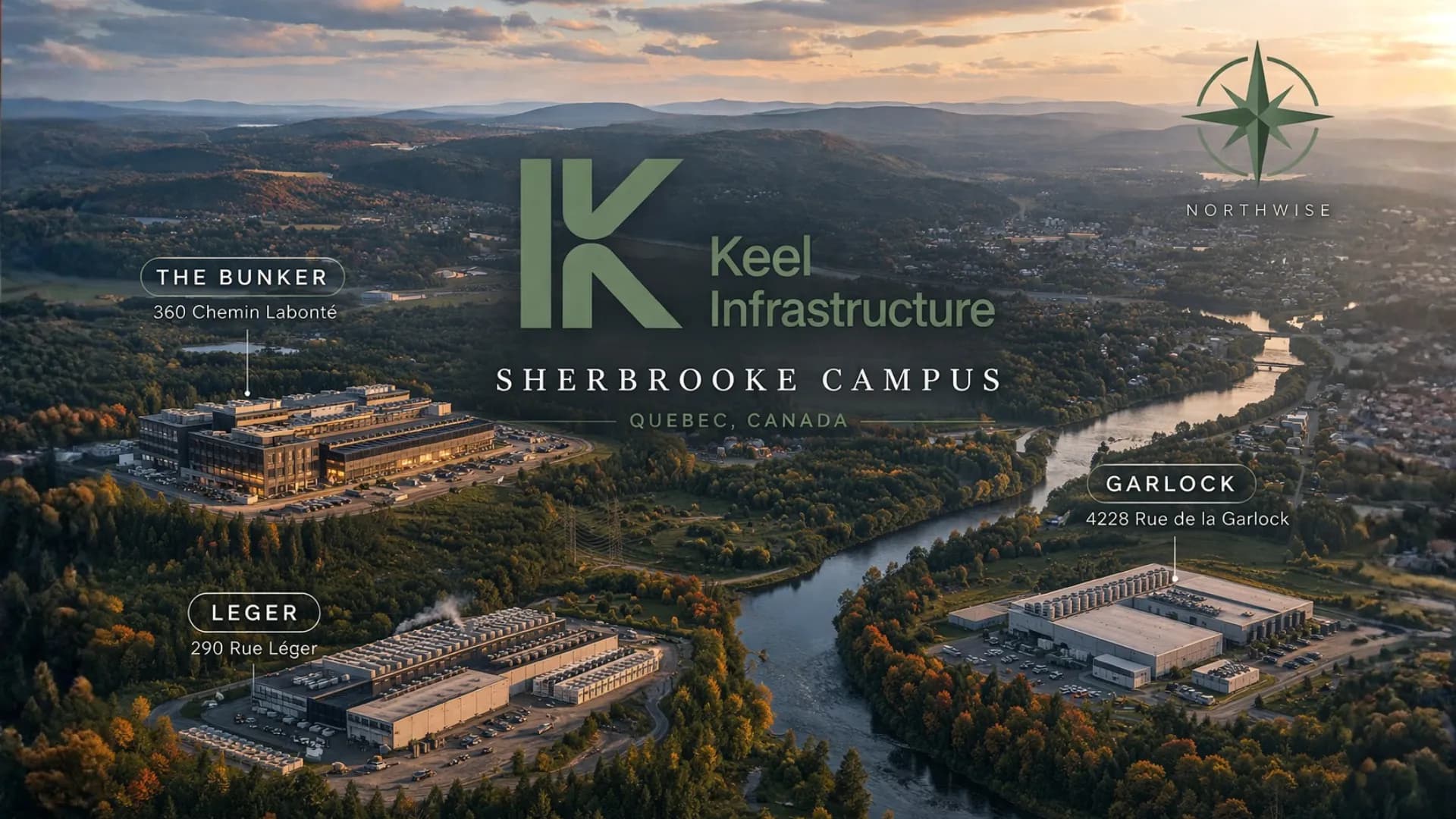
KEEL Sherbrooke Data Center
Sherbrooke: the conditional consolidation of existing 96 MW into one planned AI campus, land conditions and 2028 service target.
Northwise Portfolios
See how the research becomes real decisions
Reader discussion
Discuss the research
Create a Free account to join the discussion with a display name.
Create a Free Account
No comments yet. Start a thoughtful discussion.