
Jumia Stock Senegal

Jumia Senegal: lower reported revenue, the new Starlink equipment offer and the operating tests for a smaller marketplace.
In this article
Senegal is a smaller Jumia market whose latest reported revenue has declined, even as the group has expanded its marketplace activity. That makes it a useful counterpoint to the stronger results in Nigeria and Ghana. A nationwide delivery proposition has value only if it produces enough repeat business to support its costs.
The newest product development is the August 2026 addition of Starlink equipment. It broadens the catalogue, but it does not by itself resolve the weaker revenue comparison or establish a new recurring revenue business for Jumia.
What the country disclosure shows
Reported revenue, USD millions | 2025 | 2026 |
|---|---|---|
Second quarter | 1.944 | 1.738 |
First six months | 3.471 | 3.324 |
These figures come from the geographical note in Jumia's interim financial statements. Both comparisons are lower in reported dollars. The disclosure does not provide Senegal's standalone profit, merchandise value or full delivery economics.
The earlier description of Senegal as an operating laboratory should therefore be treated as an analytical idea, not proof that the country has already developed a superior business model. A compact market can still have difficult delivery routes, fragmented demand and customers who compare online prices with familiar local sellers.
What Starlink adds
Jumia announced the Starlink Standard Kit V4 on August 28. The offer gives customers a way to buy satellite internet equipment through its existing marketplace and delivery network.
This is a distribution opportunity. The announcement does not disclose exclusivity, sales volumes, Jumia's margin or a share of recurring connectivity fees. It should not be valued as ownership of a satellite network or a new telecom subscription base.
The more useful operating question is whether products such as this attract customers who then return for other purchases. A high-value equipment sale can lift transaction value without establishing a frequent shopping habit. Conversely, a dependable delivery experience could make the platform more attractive to businesses and households buying other goods.
The density problem
Senegal's contribution depends on how effectively Jumia brings sellers, buyers and delivery partners together. More geographic reach can make the service useful to customers outside the largest commercial centres, but thin routes can be expensive to operate.
Jumia describes a logistics model built around fulfilment and delivery partners. The public description establishes how the network is organized. It does not establish Senegal-specific cost advantages over every local alternative.
Pickup locations can help consolidate deliveries, while home delivery can be more convenient. The best balance depends on actual customer demand, unsuccessful deliveries and the cost of serving each route. Those operating measures matter more than treating the country's population as an immediately addressable customer base.
What to watch next
A return to revenue growth would be encouraging, particularly if it came from repeat marketplace transactions rather than a temporary change in direct merchandise sales. Persistent declines would call for a closer review of assortment, pricing and customer retention. Currency and sales mix also need to be considered before interpreting a dollar revenue change as a matching change in physical order volume.
Senegal remains part of Jumia's current eight-market portfolio. Compare it with the other operations in the Jumia market guide, or use the company page to move between country research and the current dated model report.

Jumia Stock Forecast 2030: The Business Beyond Breakeven
Explore Northwise’s Jumia stock forecast for 2030: country growth, unit economics, cash flow, dilution and three valuation scenarios, with a financial model.
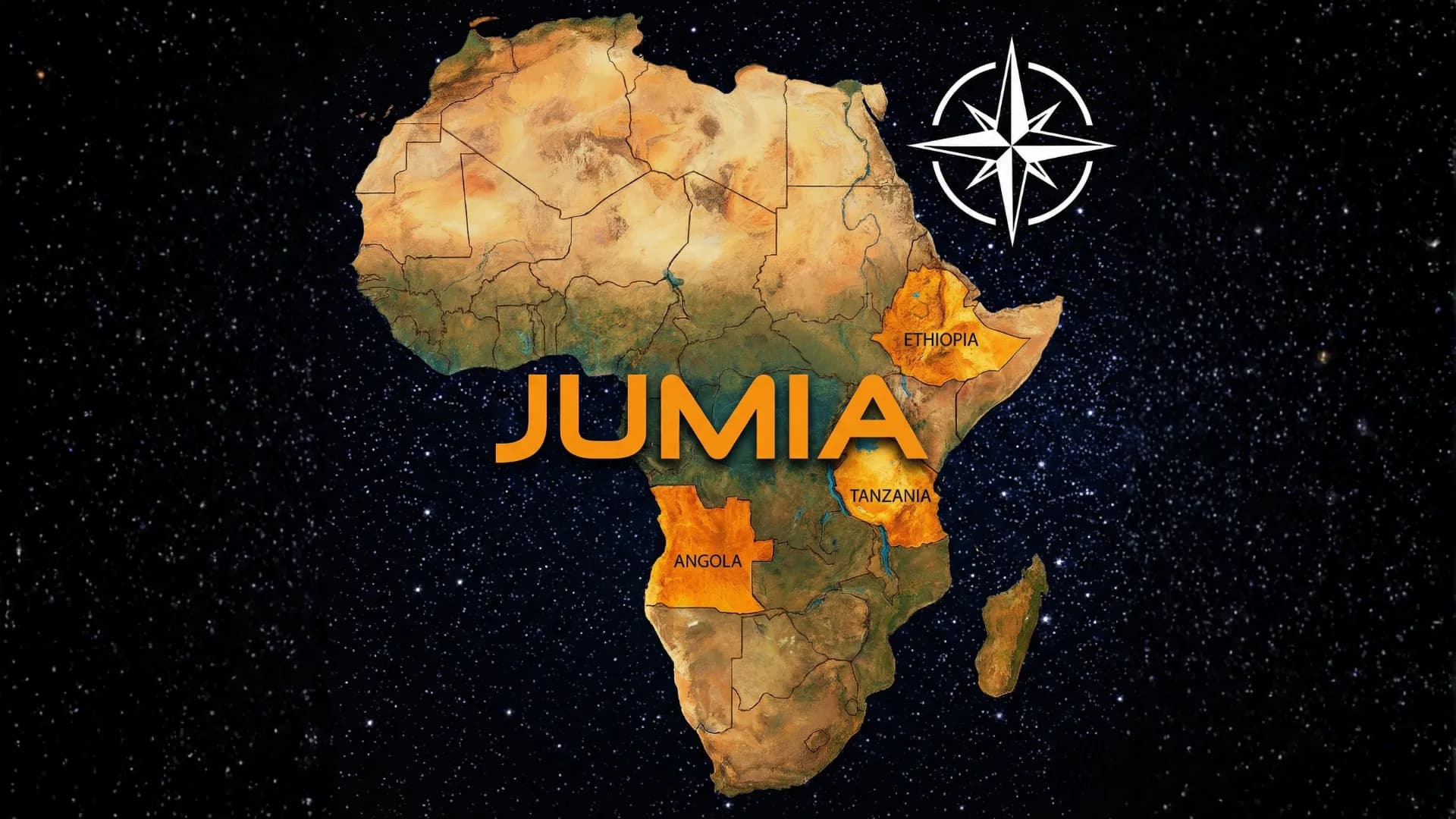
Where Will Jumia Expand Next?
Where will Jumia expand next after profitability? We examine Tanzania, Angola, and Ethiopia as post-2027 growth options.

Jumia Uganda
Jumia Uganda: a growing revenue contribution from a smaller base, customer retention and the economics of expanding delivery coverage.
Northwise Portfolios
See how the research becomes real decisions
Reader discussion
Discuss the research
Create a Free account to join the discussion with a display name.
Create a Free Account
No comments yet. Start a thoughtful discussion.