
Jumia Kenya

Jumia Kenya: current revenue growth, marketplace trust, delivery efficiency and the limits of country-level financial disclosure.
In this article
Kenya is one of Jumia's larger reported country operations, with revenue above the previous year in both the latest quarter and first half. The opportunity is to turn that activity into a dependable shopping habit supported by efficient fulfilment, rather than rely on broad assumptions about the growth of African e-commerce.
The Jumia market guide provides the portfolio context. Kenya's results should be assessed separately from the recovery in Egypt, the stronger Nigerian marketplace figures and Senegal's weaker reported revenue.
What has improved
Reported revenue, USD millions | 2025 | 2026 |
|---|---|---|
Second quarter | 5.671 | 6.248 |
First six months | 9.744 | 13.558 |
Source: the geographical revenue note in Jumia's interim financial statements. The first-half improvement is larger than the latest quarter's comparison. That distinction prevents the stronger cumulative result from being presented as the current quarterly growth rate.
The note does not disclose Kenya's standalone operating profit. Revenue growth is relevant evidence of commercial activity, but it is not proof that the operation has reached a particular margin or can fund the rest of the group.
Why product availability and trust matter
A useful marketplace makes products easier to find and obtain at a credible total price. The total includes delivery costs and the time or uncertainty involved in receiving an order. Buyers can still choose local stores, direct seller relationships or other online services.
Jumia's advantage, if it develops, would come from repeatedly solving those practical problems. That requires credible listings, reliable sellers, dependable fulfilment and a workable process when an order goes wrong. Customer acquisition alone does not establish those qualities.
Kenya's payment infrastructure is part of the surrounding commercial environment. It should not be confused with an asset owned by Jumia or used to assign the company an independent fintech valuation without evidence. The current country disclosure does not provide a separate Kenyan payments profit stream.
A national network still needs route economics
Jumia's logistics operation supports the marketplace through fulfilment and delivery partners. Its economic value depends on the transactions moving through it and the cost of completing them.
More orders in the same service area can spread some delivery and facility costs over greater activity. Reaching new areas can initially have the opposite effect. A map with more coverage therefore does not demonstrate lower cost per order.
The quality of growth should be assessed through repeat demand, delivery success and the contribution left after serving customers. Public country revenue does not resolve those measures, so the analysis should retain that uncertainty rather than fill it with a margin estimate presented as fact.
How to read the next results
The latest numbers give Kenya a stronger revenue base than a year ago. The next question is whether that improvement continues as the comparison period becomes more demanding and as the mix between direct sales and marketplace fees changes.
Reported revenue is not merchandise value. A business that sells an item itself recognizes revenue differently from one that facilitates a third-party sale, which limits comparisons based on revenue alone. Currency effects can also change dollar results without matching changes in local purchasing activity.
Kenya is an important operating market within Jumia's current eight-country footprint. Continue through the company page for the related country studies, or the current dated model report for the separate financial assumptions and valuation framework.

Jumia Stock Forecast 2030: The Business Beyond Breakeven
Explore Northwise’s Jumia stock forecast for 2030: country growth, unit economics, cash flow, dilution and three valuation scenarios, with a financial model.
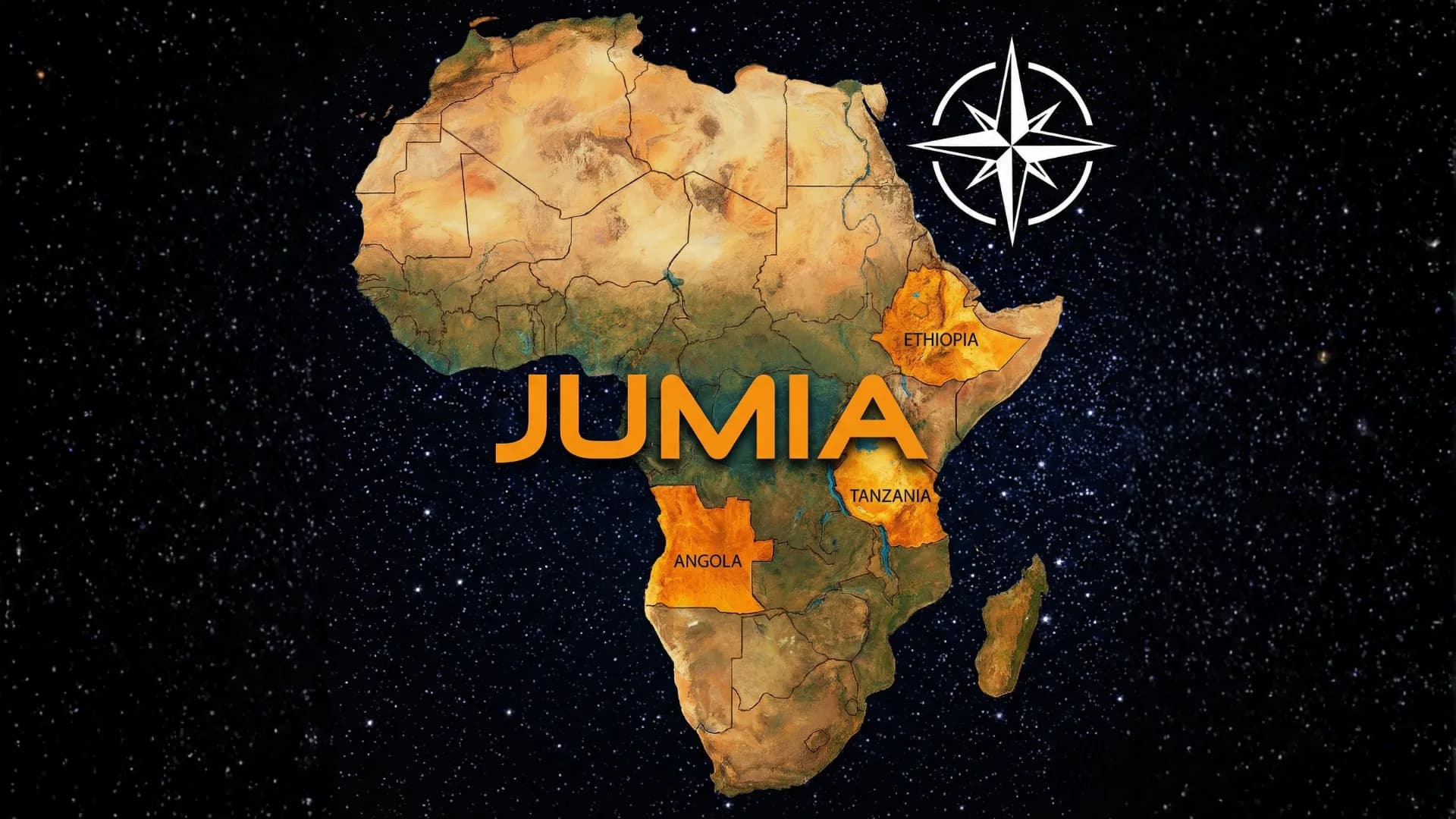
Where Will Jumia Expand Next?
Where will Jumia expand next after profitability? We examine Tanzania, Angola, and Ethiopia as post-2027 growth options.

Jumia Uganda
Jumia Uganda: a growing revenue contribution from a smaller base, customer retention and the economics of expanding delivery coverage.
Northwise Portfolios
See how the research becomes real decisions
Reader discussion
Discuss the research
Create a Free account to join the discussion with a display name.
Create a Free Account
No comments yet. Start a thoughtful discussion.