
Is Grab a Good Stock to Buy
This article explores the question: Is Grab a Good Stock to Buy? We explore their clear path to becoming the region’s digital infrastructure backbone.
In this article
Is Grab a Good Stock to Buy? A Thesis on Southeast Asia’s Super App
This article explores the question: Is Grab a Good Stock to Buy? We explore profitability, adoption, and their clear path to becoming the region’s digital infrastructure backbone.
Our Grab Stock Price Targets
To see our updated Grab thesis, modeling, and price targets click the link below.
Why Grab Matters
Grab Holdings Ltd. (NASDAQ: GRAB) is one of the most important companies to watch in Southeast Asia, offering investors a rare window into the region’s digital economy transformation.
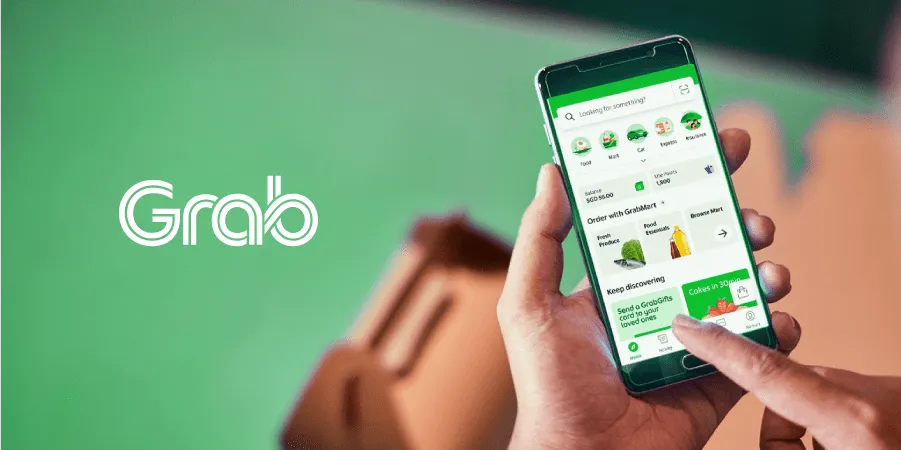
Founded in 2012, Grab has evolved into a dominant super-app, serving users across eight countries with mobility, food delivery, digital payments, and increasingly, financial services.
Grab’s significance lies in three core factors:
- Massive Addressable Market: With a footprint spanning Singapore, Indonesia, Malaysia, Vietnam, and others, Grab is embedded in a region of 660+ million people with growing smartphone penetration and rising digital consumption.
- Super-App Model: The combination of ride-hailing, food delivery, payments, and fintech allows Grab to cross-sell services and improve user engagement.
- Path to Profitability: After years of cash burn, Grab is now seeing tangible margin improvements and accelerating its trajectory toward consistent GAAP profitability.
Given the stock’s significant drawdown since its SPAC debut and Grab’s improving financial fundamentals, the central question is timely: Is Grab a Good Stock to Buy?
Company Origins & Evolution
Grab was founded in 2012 as MyTeksi in Kuala Lumpur, Malaysia, by Anthony Tan and Tan Hooi Ling. What began as a safety-first taxi-hailing app quickly expanded across Southeast Asia and rebranded as Grab.
Milestones include:
- 2016–2018: Pivoted from ride-hailing into food delivery and digital payments. Acquired Uber’s Southeast Asia operations in 2018 in a landmark regional merger. Learn more about the acquisition.
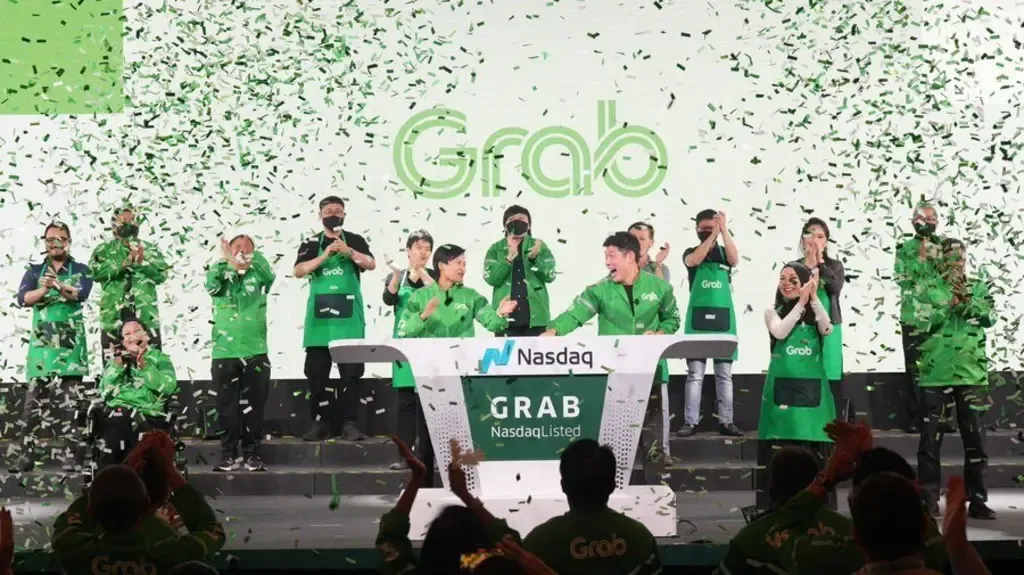
- 2021: Listed on the NASDAQ via a SPAC merger with Altimeter Growth Corp, in the largest-ever Southeast Asian SPAC deal at the time.
- Headquarters moved to Singapore, signaling its ambition to be a central tech player in the region.
From a humble mobility solution to a digital juggernaut, Grab’s evolution shows a management team willing to adapt and scale across verticals.
Leadership & Vision
Anthony Tan, Grab’s CEO and co-founder, has been a visionary force behind the company’s strategic evolution. A Harvard MBA graduate, Tan rejected a secure family business path to launch Grab, driven by a mission to improve safety and access in transportation.
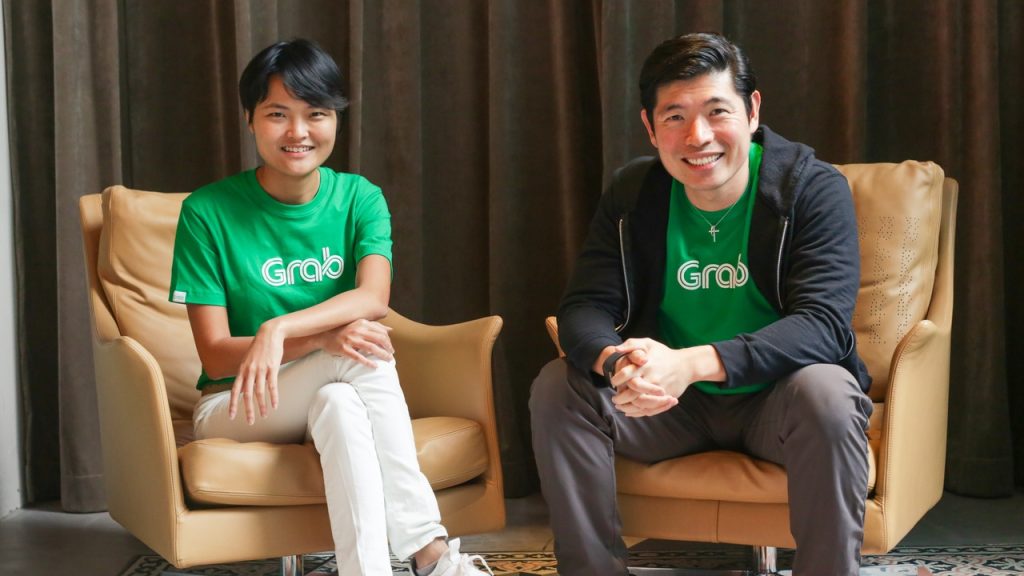
Tan Hooi Ling, also a Harvard alum, helped co-found the company and was integral to its early product vision. She recently stepped back from day-to-day operations but remains on the board.
Grab’s leadership has shown resilience, navigating the COVID-19 crisis, integrating acquisitions, and now steering the firm toward profitability.
The long-term vision is to become the “digital infrastructure of Southeast Asia,” akin to what Alibaba and Meituan represent in China.
The Super-App Business Model
Grab is often referred to as the Meituan or WeChat of Southeast Asia: a one-stop platform for mobility, food, payments, and financial services.
Key flywheel dynamics:
- Ride-hailing drives daily engagement, leading to natural adoption of GrabPay.
- Food delivery increases wallet activity, improving retention and ARPU.
- Financial services deepen user stickiness, via lending, insurance, and a digital wallet ecosystem.
This integrated model reduces customer acquisition cost (CAC) and enables Grab to monetize users across multiple touchpoints.
Competitors like GoTo (Gojek-Tokopedia) or SEA Group (Shopee) replicate parts of this model, but Grab arguably has the strongest logistics and fintech infrastructure.
Segment Deep Dives
Mobility (Ride-Hailing)
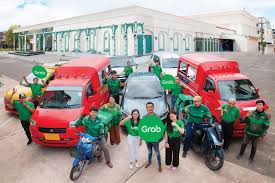
Grab holds dominant market share in Singapore, Vietnam, and Indonesia’s urban centers. Mobility revenue has rebounded sharply post-COVID with strong contribution margins driven by improved incentives discipline and operational efficiency.
Deliveries (Food & Groceries)
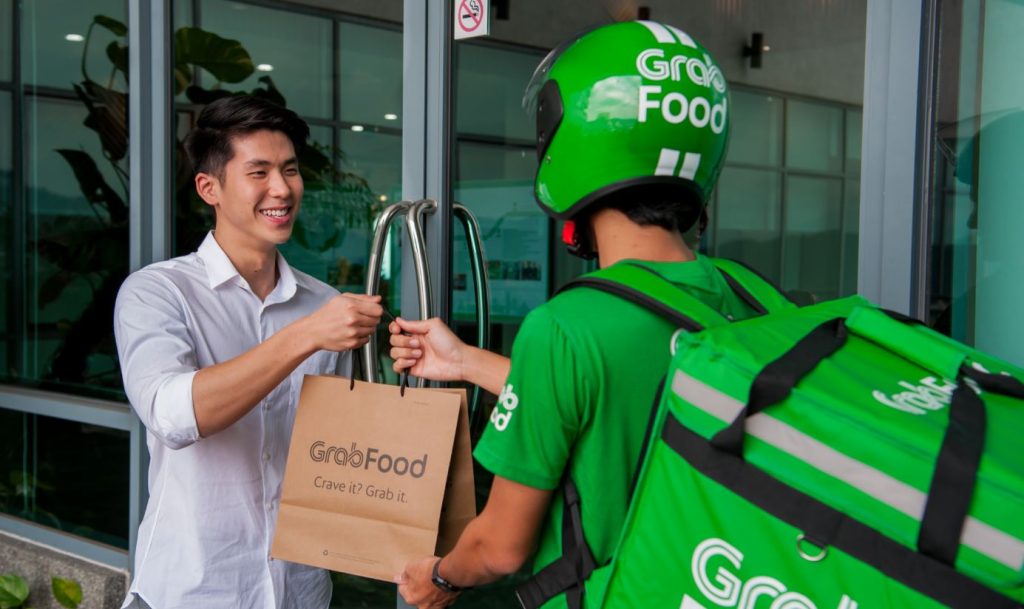
Pandemic created lasting demand for delivery services. Grab has rationalized subsidies and achieved positive segment-level EBITDA. Integration with GrabPay streamlines checkout and boosts ecosystem usage.
Fintech / GrabFin / Digibank
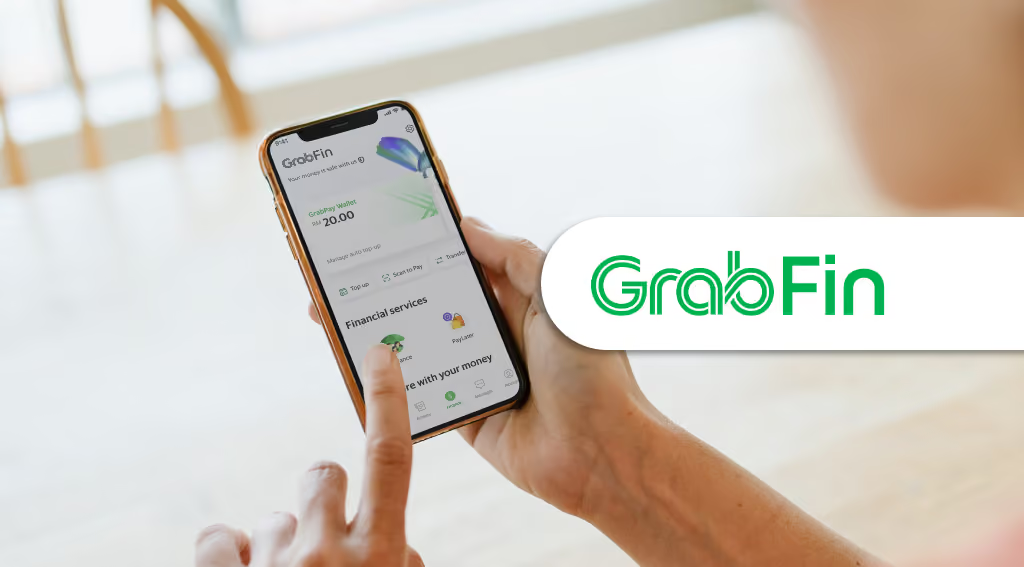
GrabPay wallet is widely used among riders and eaters. In 2020, Grab and Singtel secured a digital banking license in Singapore; full rollout is ongoing.
Learn more about GrabFin
Offerings now include:
- Micro-lending
- Insurance
- Buy-now-pay-later (BNPL)
- Investment products
Enterprise & Ads
Grab is building a SaaS-style monetization layer, offering:
- Merchant advertising
- Data insights
- Infrastructure services (e.g., logistics for third parties)
Financials Snapshot: Q1 2025
In the first quarter of 2025, Grab Holdings achieved significant financial milestones, reflecting its transition from a growth-at-all-costs strategy to a more disciplined, profitability-focused approach.
Key Financial Metrics
- Revenue: Increased by 18% year-over-year to $773 million, driven by growth across all business segments.
- Net Profit: Achieved a net profit of $10 million, marking a $125 million improvement compared to a net loss in the same period last year.
- Adjusted EBITDA: Improved to $106 million, up from $62 million in Q1 2024, indicating enhanced operational efficiency.
- Operating Loss: Reduced to $21 million, an improvement of $55 million year-over-year.
- Net Cash from Operating Activities: Generated $73 million, reflecting an $84 million improvement compared to the same quarter in the previous year.
- Cash Liquidity: Maintained a strong cash position with $6.2 billion in cash liquidity at the end of Q1 2025.
Segment Performance
Mobility:
- Revenue: Grew by 15% year-over-year to $282 million.
- Gross Merchandise Value (GMV): Increased by 17% to $1.8 billion.
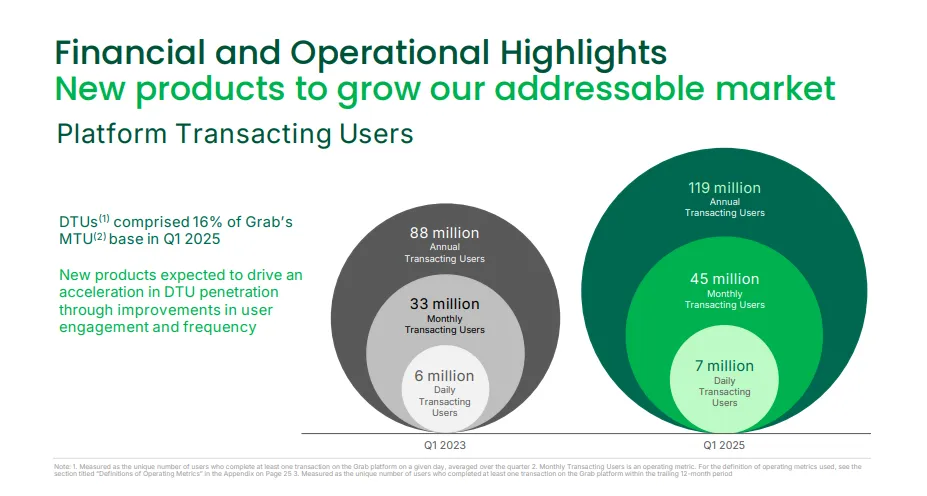
- Monthly Transacting Users (MTUs): Expanded by 20% year-over-year.
- Segment Adjusted EBITDA Margin: Slightly decreased to 8.8% from 8.9% in Q1 2024.
Deliveries:
- Revenue: Increased by 18% year-over-year to $415 million.
- GMV: Grew by 16% to $3.13 billion.
- MTUs: Rose by 17% year-over-year, reaching a new record high.
- Segment Adjusted EBITDA Margin: Improved to 2.0% from 1.6% in Q1 2024.
Financial Services
- Revenue: Increased by 36% year-over-year to $75 million.
- Loan Portfolio: Expanded by 56% to $566 million.
- Customer Deposits: Grew to $1.43 billion, up from $1.23 billion in the previous quarter.
- Segment Adjusted EBITDA: Reported a loss of $30 million, slightly higher than the $28 million loss in Q1 2024, primarily due to increased credit loss provisions.
The company’s performance in Q1 2025 indicates a positive trajectory toward sustained profitability, supported by strong revenue growth, improved operational efficiency, and a solid cash position. Learn more about Q1 2025 financials.
Unit Economics & Efficiency
Grab has made impressive strides in operational discipline:
- Take rates have improved across segments, particularly in mobility and food delivery.
- CAC vs LTV trends are favorable thanks to cross-selling within the app.
- Localized operations allow Grab to navigate regulatory nuances and cut costs in fragmented markets.
The company’s focus on sustainable growth is a critical green flag for long-term investors asking: Is Grab a Good Stock to Buy?
Competitive Landscape
Grab faces stiff competition:
- Gojek (GoTo) is a major rival in Indonesia.
- ShopeeFood (SEA Group) and traditional banks compete in fintech.
- Yet Grab holds key advantages:
- Deep government relationships in Singapore, Indonesia, and Malaysia.
- Superior logistics network and first-mover advantage in several verticals.
Globally, Grab resembles a mix of Uber, DoorDash, PayPal, and Nubank — a rare convergence of multiple megatrends.
Valuation Discussion
Grab’s current valuation (~$20B market cap as of mid-2025) reflects a massive discount from its SPAC debut — and may understate its long-term potential.
- Trades at lower EV/Revenue multiples than regional peers, despite higher engagement and ecosystem depth.
- Room for multiple expansion if Grab proves sustainable EBITDA and FCF generation.
For long-term investors, the question isn’t just “Is Grab a Good Stock to Buy?” today, it’s whether the current price reflects the platform’s future role in SEA’s digital economy.
2030 Vision: What Could Grab Become?
In an optimistic scenario, Grab evolves into:
- Southeast Asia’s core fintech and commerce infrastructure.
- Digital bank services millions of underbanked users.
- A unified commerce layer for mobility, food, and payments.
- Monetization from advertising, financial products, logistics APIs, and software.
Spinouts of GrabFin or logistics businesses could unlock hidden value. Strategic M&A or deeper partnerships with telcos or banks could amplify growth.
Risks & Bear Case
- Intense regional competition from Gojek and Shopee.
- Execution risk in fintech (e.g., credit losses).
- Regulatory variability across SEA can lead to fragmentation.
- Macroeconomic pressures like inflation or currency volatility may impact consumption and margins.
Key Catalysts
- Achieving consistent GAAP profitability.
- Surpassing $1B in fintech revenue.
- Digital bank scaling rapidly in Singapore, then regionally.
- Strategic M&A or joint ventures.
- Upgrades or re-rating from institutional investors as earnings stabilize.
Is GRAB a Long-Term Buy?
Grab has survived the SPAC hype cycle, COVID disruptions, and competitive pressure, and is now entering its most promising phase yet.
With a maturing super-app model, improving financials, and optionality in fintech, the company is well-positioned to be the digital backbone of Southeast Asia.
For investors seeking exposure to the region’s digital growth, Grab could be one of the defining compounders of the decade.
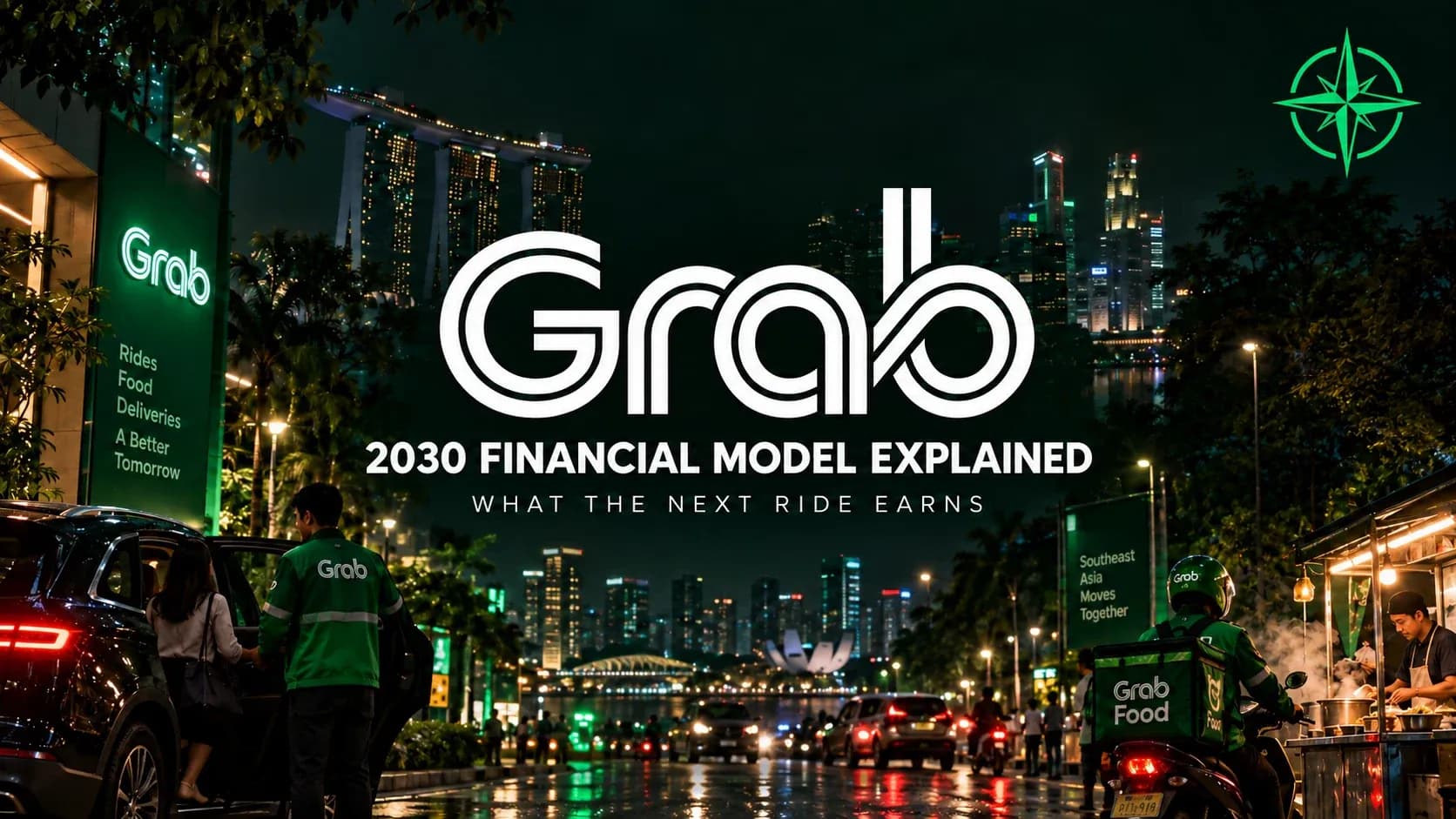
GRAB Stock Forecast 2030: What the Next Ride Earns
Northwise models Grab through 2030: rides, delivery, advertising, lending, cash flow and dilution, with operating scenarios and Premium valuation analysis.

Grab Advertising
Grab advertising is lifting delivery margins through intent-based monetization that avoids labor costs, increased regulation, and pricing scrutiny.

Grab’s Fintech Business
Grab’s fintech business is infrastructure, not upside. Lending, payments, and ads stabilize drivers and merchants and narrow valuation errors.
Northwise Portfolios
See how the research becomes real decisions
Reader discussion
Discuss the research
Create a Free account to join the discussion with a display name.
Create a Free Account
No comments yet. Start a thoughtful discussion.